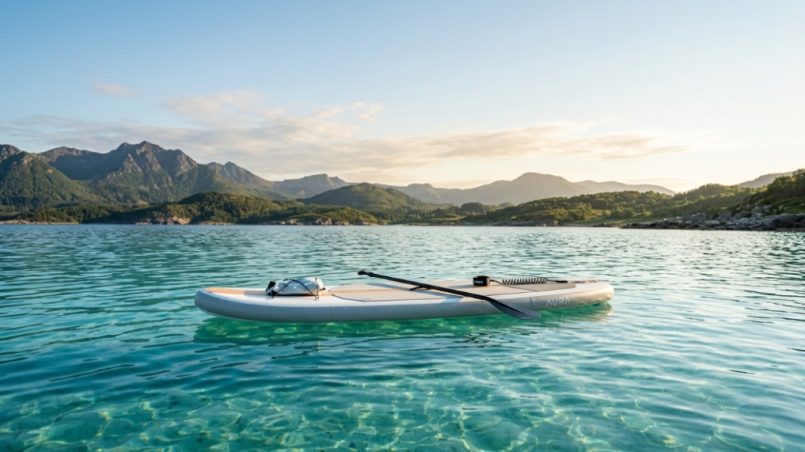
Most budget paddle boards fail for the same reason cheap hotel mattresses do: they look fine online, then collapse the moment real pressure hits them. The good news is that a new wave of affordable SUP brands now delivers impressive rigidity, better tracking, and surprisingly premium construction without the $1,200+ price tag.
If you want a paddle board that feels stable, durable, and smooth on the water without overspending, several affordable inflatable SUPs now rival premium models in real-world performance. The key is knowing which features actually matter and which are just marketing noise.
What Are Budget Paddle Boards and Are They Worth Buying?
Budget paddle boards are affordable stand-up paddle boards that typically cost between $250 and $700 while still offering solid stability, durability, and usability for recreational paddling. The best models now include premium-level materials, drop-stitch construction, and accessories once found only on high-end boards.
Years ago, buying a cheap SUP often meant compromising on safety and performance. Boards flexed heavily, seams failed early, and paddles felt flimsy. That market has changed fast.
Modern inflatable SUP technology has improved significantly due to advances in:
- Military-grade PVC layering
- Drop-stitch core density
- Heat-welded seams
- Lighter carbon-blend paddles
- Improved fin systems
According to outdoor recreation industry reports, inflatable paddle boards now dominate recreational SUP sales because they are portable, beginner-friendly, and easier to store than hard boards.
For casual riders, fitness paddlers, and beginners, a well-built budget SUP is often more practical than an expensive fiberglass board.
Which Features Make Budget Paddle Boards Feel Premium?
The best affordable paddle boards feel premium when they combine stiffness, stability, quality deck padding, reliable accessories, and strong construction materials.
Many buyers focus only on price and dimensions. That is a mistake. Premium feel comes from how the board performs on water.
Why Does Board Rigidity Matter So Much?
A rigid paddle board glides better, feels more stable, and wastes less energy during paddling.
Low-quality inflatable SUPs bend in the middle under body weight. This creates drag and instability. High-quality budget boards use dense drop-stitch cores and dual-layer PVC to minimize flex.
Look for:
- 15 PSI minimum inflation rating
- Dual-layer PVC construction
- Heat-welded rails
- Reinforced sidewalls
What Deck Pad Features Improve Comfort?
A premium deck pad improves grip, comfort, and balance during long sessions.
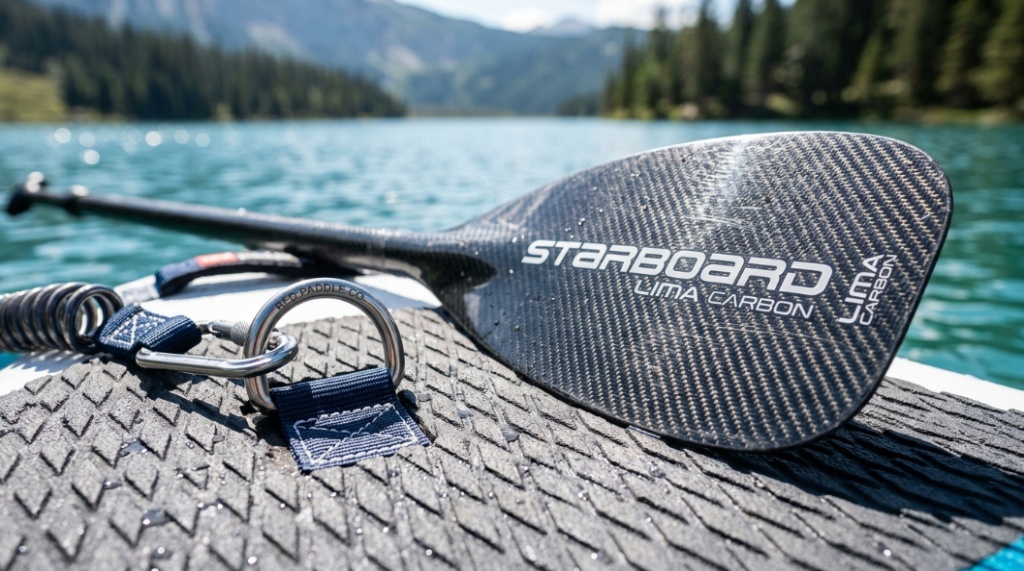
EVA foam deck pads with crocodile-texture grooves provide:
- Better traction when wet
- Reduced foot fatigue
- Improved balance for beginners
- Greater knee comfort during yoga or fishing
Do Accessories Matter on Budget SUP Packages?
Yes. Cheap accessories often ruin the overall experience even if the board itself is decent.
Premium-feeling packages usually include:
- Adjustable aluminum or carbon hybrid paddle
- Double-action hand pump
- Travel backpack
- Removable center fin
- Coiled leash
- Repair kit
Some brands now even include kayak conversion seats in affordable bundles.
What Are the Best Budget Paddle Boards That Actually Feel Premium?
The best budget paddle boards balance affordability, stability, portability, and construction quality without sacrificing real-world performance.
| Board | Best For | Approx Price | Weight Capacity | Key Strength |
|---|---|---|---|---|
| iROCKER Nautical | Beginners | $350–$500 | 240–300 lbs | Excellent stability |
| FunWater SUP | Budget buyers | $250–$350 | 300 lbs | Very affordable |
| Retrospec Weekender | Casual paddling | $300–$450 | 275 lbs | Balanced design |
| Bluefin Cruise | All-around performance | $500–$700 | 330+ lbs | Premium rigidity |
| Aqua Plus SUP | Families | $300–$400 | 330 lbs | Wide stable platform |
Why Is the iROCKER Nautical Popular Among Beginners?
The iROCKER Nautical series delivers strong beginner stability and durable construction at a mid-budget price.
Key advantages include:
- Wide standing platform
- Reliable tracking
- Comfortable deck pad
- Good customer support
- Strong resale value
It performs especially well for recreational lake paddling and calm coastal water.
Is FunWater Really Good Despite the Cheap Price?
FunWater boards are among the most affordable inflatable SUPs that still provide decent durability and beginner usability.
They are not designed for advanced touring or rough water, but they work surprisingly well for:
- Weekend recreation
- Family outings
- Short-distance paddling
- Light fitness use
The biggest tradeoff is long-term durability compared to higher-end boards.
Why Do Experienced Riders Recommend Bluefin Cruise?
The Bluefin Cruise series feels closer to premium touring SUPs because of its rigidity and reinforced construction.
Its dense drop-stitch core allows higher PSI inflation, creating better glide efficiency and less flex on water.
Many paddlers compare its stiffness favorably against much more expensive boards.
How Much Should You Spend on a Budget Paddle Board?
Most people should spend between $350 and $600 for a budget paddle board that offers reliable performance and durability.
There is a major difference between “cheap” and “value-packed.”
Here is what different price ranges typically offer:
What Do You Get Under $300?
Under $300, expect entry-level boards focused on casual recreational use.
Common limitations include:
- Less rigid construction
- Basic paddles
- Simpler fin systems
- Shorter warranty coverage
These can still work for occasional lake use.
What Is the Sweet Spot for Value?
The $400–$600 range delivers the best balance between quality and affordability.
This range often includes:
- Dual-layer PVC
- Better glide performance
- Improved accessories
- Longer warranties
- Higher weight capacities
For most beginners and intermediate riders, this is the ideal price category.
Are Inflatable Paddle Boards Better Than Hard Boards for Budget Buyers?
Inflatable paddle boards are usually better for budget-conscious buyers because they are portable, easier to store, and less expensive to transport.
Hard boards still offer advantages in racing and advanced surfing performance, but inflatables dominate the recreational market.
Why Are Inflatable SUPs So Popular?
Inflatable SUPs solve several practical problems.
- Fit inside closets or car trunks
- Easier for apartment owners
- Safer for beginners
- More travel-friendly
- Lower shipping costs
Many inflatable boards now reach 15–20 PSI, making them far stiffer than older generations.
Do Inflatable Boards Feel Stable?
Yes. Most beginner inflatable SUPs are designed wider for added stability.
Boards between 32 and 35 inches wide usually feel comfortable for new paddlers, yoga sessions, fishing, and family use.
What Size Budget Paddle Board Should You Buy?
The right paddle board size depends on your weight, experience level, and intended activity.
Choosing the wrong size causes poor balance, inefficient paddling, and reduced stability.
| Rider Type | Recommended Length | Recommended Width |
|---|---|---|
| Beginner | 10’6”–11’ | 32”–34” |
| Fitness Paddler | 11’–12’6” | 30”–32” |
| Touring | 12’6”+ | 28”–32” |
| Fishing/Yoga | 10’6”–11’6” | 33”–35” |
What Size SUP Is Best for Beginners?
Most beginners should start with an all-around board around 10’6” long and 32” wide.
This shape offers:
- Good balance
- Easy turning
- Comfortable learning curve
- Better confidence on water
Can Budget Paddle Boards Last for Years?
Yes. A quality budget paddle board can last 3–7 years or more with proper maintenance and storage.
Longevity depends more on care habits than price alone.

How Should You Store an Inflatable SUP?
Proper storage dramatically increases lifespan.
Best practices include:
- Dry completely before packing
- Avoid direct sunlight for long periods
- Store in cool indoor environments
- Rinse after saltwater use
- Avoid dragging on rough surfaces
What Damages Paddle Boards Most Often?
The most common problems include:
- Overinflation in heat
- UV exposure
- Poor seam construction
- Dragging across rocks
- Mold from wet storage
Most reputable brands now include repair patches for small punctures.
Are Cheap Paddle Boards Safe for Beginners?
Most modern beginner paddle boards are safe if they come from reputable brands and meet proper construction standards.
Safety improves significantly when buyers choose boards with:
- High weight capacity
- Stable width
- Reliable fins
- Strong air retention
- Quality leash systems
Always wear a personal flotation device, especially in open water or rivers.
What Makes a Paddle Board Beginner-Friendly?
Beginner-friendly SUPs prioritize balance and forgiveness over speed.
Features that help include:
- Wide deck design
- Rounded nose shape
- Soft deck pad
- Large center fin
- Stable hull profile
What Are the Biggest Mistakes Buyers Make With Budget Paddle Boards?
The biggest mistakes include choosing the wrong size, ignoring weight limits, and focusing only on price.
Why Is Weight Capacity Important?
If your board sits too low in water, performance suffers badly.
Overloaded boards:
- Feel unstable
- Track poorly
- Move slower
- Flex excessively
Choose a board with at least 20–30 pounds of extra capacity beyond your body weight plus gear.
Should You Ignore Brand Reputation?
No. Customer service and warranty support matter heavily with inflatable products.
Reliable SUP brands often provide:
- Longer warranties
- Replacement parts
- Accessory upgrades
- Better quality control
Conclusion: Which Budget Paddle Board Delivers the Best Value?
The best budget paddle boards combine rigidity, stability, quality materials, and practical accessories without inflating the price with unnecessary branding.
For beginners, recreational paddlers, and casual adventurers, affordable inflatable SUPs now offer far more value than they did just a few years ago. Boards like the iROCKER Nautical, Bluefin Cruise, and Retrospec Weekender prove that you no longer need to spend premium money for a premium-feeling ride.
The smartest buyers focus on construction quality, weight capacity, stability, and long-term durability instead of flashy marketing claims. A well-chosen SUP can support fitness goals, weekend travel, family fun, fishing, yoga, and outdoor exploration for years.
If you are shopping for your first paddle board, prioritize comfort, stability, and trusted construction over unnecessary advanced features. The right board should help you spend more time enjoying the water and less time worrying about performance issues.
Before buying, compare specifications carefully, read verified customer reviews, and match the board to your intended use. That simple approach helps you avoid expensive mistakes while getting the best value possible.
Frequently Asked Questions About Budget Paddle Boards
What is the best budget paddle board for beginners?
The best budget paddle board for beginners is usually an all-around inflatable SUP around 10’6” long and 32” wide because it provides strong stability, easy control, and a forgiving learning experience.
Are inflatable paddle boards durable enough?
Yes. Modern inflatable paddle boards use military-grade PVC and dense drop-stitch construction, making them highly durable for recreational use, travel, fitness paddling, and light touring.
How much should I spend on my first paddle board?
Most first-time buyers should budget between $350 and $600 to get a reliable paddle board with better rigidity, stronger accessories, and longer-lasting materials.
Can budget paddle boards handle heavier riders?
Yes. Many affordable paddle boards now support 300–350 pounds or more. Always check the manufacturer’s recommended weight capacity before purchasing.
What is better for beginners: hard board or inflatable SUP?
Inflatable SUPs are generally better for beginners because they are softer, easier to transport, more stable, and simpler to store than traditional hard boards.
How long do inflatable paddle boards last?
A quality inflatable paddle board can last between 3 and 7 years or longer with proper care, cleaning, storage, and inflation practices.
What accessories should come with a paddle board package?
A complete paddle board package should include a paddle, pump, backpack, center fin, leash, and repair kit. Some packages also include kayak seats and waterproof bags.
📌 Related Reads