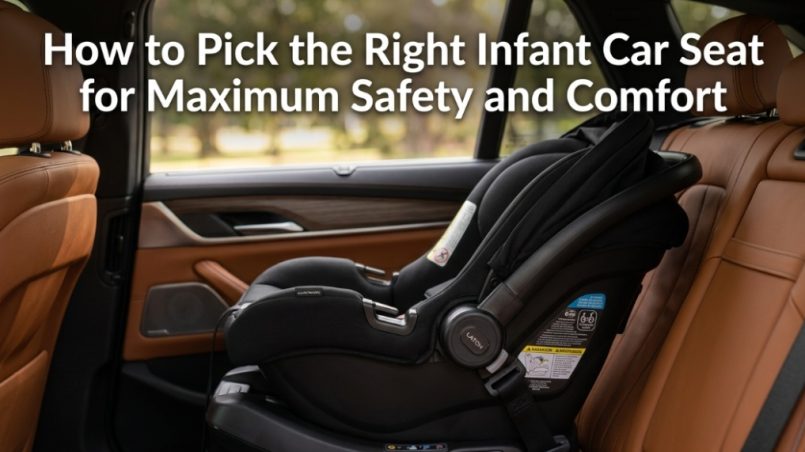
Choosing the right infant car seat is one of the few parenting decisions that can protect your baby before they even take their first family road trip. Unlike strollers, cribs, or baby clothes, a properly selected infant car seat can significantly reduce the risk of injury during a crash. If you’re searching for the safest option for newborn travel safety, the answer is simple: choose a rear-facing infant car seat that fits your baby correctly, matches your vehicle, meets current safety standards, and provides adequate support for comfort during every ride.
What Is an Infant Car Seat and Why Is It Essential for Newborn Travel Safety?
An infant car seat is a rear-facing child restraint system specifically designed for newborns and young babies, providing critical protection for the head, neck, and spine during vehicle travel.
The first months of a baby’s life are when their body is most vulnerable. A newborn’s neck muscles are still developing, and their head represents a larger proportion of body weight compared to adults. During sudden stops or collisions, these physical characteristics increase injury risks if the baby is not properly restrained.
According to road safety organizations worldwide, correctly installed child restraints dramatically reduce the likelihood of serious injuries during motor vehicle crashes. That’s why hospitals often require parents to have an approved infant seat before discharge after birth.
When evaluating infant seat recommendations, parents should prioritize safety performance, fit, ease of installation, and comfort rather than focusing solely on aesthetics or brand popularity.
How Do You Choose the Safest Infant Car Seat?
The safest infant car seat is one that fits your baby correctly, installs securely in your vehicle, and is used properly every single trip.
Many parents assume the most expensive model automatically offers superior protection. In reality, every car seat sold legally must pass strict crash-testing requirements. What separates one model from another is ease of use, installation technology, comfort features, and convenience.
Before purchasing, it’s helpful to compare different safety-focused products and buying considerations through guides such as this detailed baby car seat selection resource, which explains important factors parents should evaluate before making a final decision.
Key Safety Features to Look For
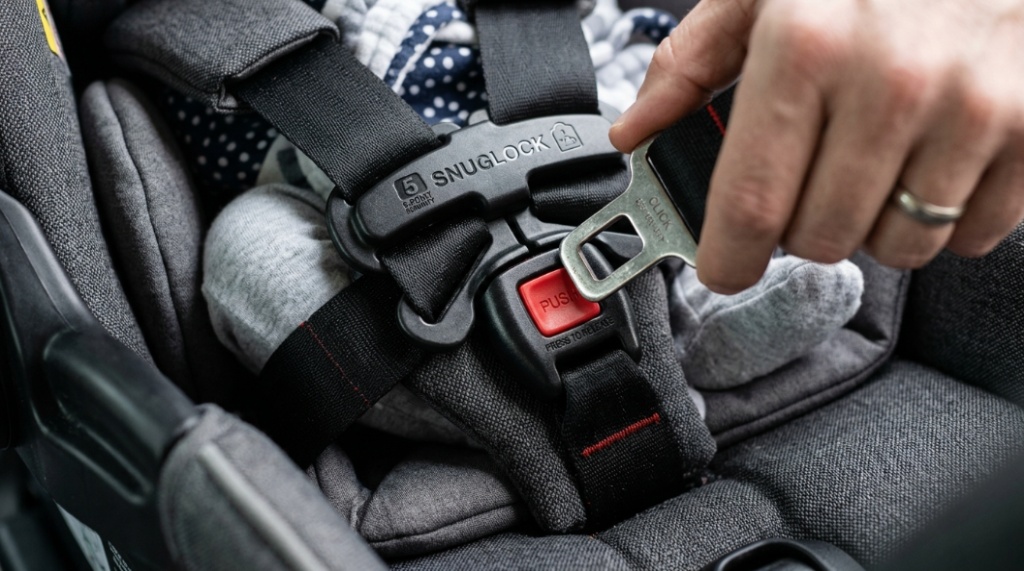
- Five-point harness system
- Side-impact protection technology
- Energy-absorbing foam
- Adjustable head support
- Anti-rebound bar (if available)
- LATCH compatibility
- Clear installation indicators
- Adjustable harness height settings
Remember that advanced safety features are valuable only when the seat is installed and adjusted correctly.
What Size and Weight Limits Should Parents Consider?

Always choose an infant seat that accommodates your baby’s current size while providing room for growth throughout the first year.
Most infant car seats are designed for babies weighing approximately 4 to 35 pounds, although exact limits vary by manufacturer. Some models accommodate larger infants for extended rear-facing use.
Parents should carefully review:
- Minimum weight requirements
- Maximum weight limits
- Maximum height restrictions
- Harness positioning range
- Headrest adjustment options
A premature newborn may require a seat specifically approved for lower birth weights, while larger babies benefit from seats offering higher height capacities.
Why Rear-Facing Position Matters
Rear-facing seats distribute crash forces across the baby’s back, neck, and head. This positioning significantly reduces strain on developing spinal structures during frontal impacts.
Safety experts consistently recommend keeping children rear-facing for as long as allowed by manufacturer limits.
Which Infant Car Seat Features Improve Comfort During Daily Use?
Comfort features help babies remain properly positioned while reducing fussiness during short errands and longer journeys.
Although safety comes first, comfort plays a major role in everyday usability. A baby who remains comfortable is less likely to slump into unsafe positions or become distressed during travel.
Interestingly, parents often compare products in many industries before buying. The same evaluation mindset used when researching long-term value office equipment solutions can also help families assess durability, reliability, and overall product quality when selecting baby gear.
Comfort Features Worth Considering
- Breathable fabrics
- Machine-washable covers
- Infant support inserts
- Multiple recline positions
- Padded harness straps
- Extended canopy coverage
- Ventilation channels
- Adjustable head cushions
Breathable materials are especially beneficial in warmer climates where overheating can become a concern.
How Important Is Proper Installation?
Proper installation is arguably more important than the specific brand you purchase.
Research from child passenger safety programs repeatedly finds that a significant percentage of car seats are installed incorrectly. Common mistakes include loose seat belts, improper recline angles, twisted harness straps, and incorrect anchor attachment.
Common Installation Mistakes
- Harness positioned too loosely
- The chest clip is placed too low
- Incorrect seat angle
- Loose base installation
- Using both the seat belt and LATCH when not approved
- Bulky clothing under harness straps
Many modern infant seats include installation indicators, leveling guides, and click-confirmation systems to simplify setup.
Should You Use LATCH or Seat Belt Installation?
Either method can be safe when used correctly and according to manufacturer’s instructions.
The best choice depends on your vehicle compatibility and your ability to achieve a secure installation. The seat should move less than one inch when tested at the belt path.
What Is the Difference Between Infant Car Seats and Convertible Car Seats?
Infant seats are portable rear-facing carriers, while convertible seats remain installed in the vehicle and accommodate children through multiple growth stages.
| Feature | Infant Car Seat | Convertible Car Seat |
|---|---|---|
| Portability | Removable carrier | Fixed installation |
| Newborn Fit | Excellent | Varies by model |
| Travel Convenience | Very convenient | Less portable |
| Weight Range | Birth to infancy | Birth to toddler years |
| Stroller Compatibility | Usually compatible | Not compatible |
| Long-Term Value | Short-term use | Extended use |
For many families, an infant seat offers unmatched convenience during the newborn stage. Others prefer investing immediately in a quality convertible seat if it provides an excellent newborn fit.
How Can Parents Tell if a Car Seat Fits Their Vehicle?
The best car seat is one that fits both your baby and your vehicle correctly.
Vehicle compatibility is frequently overlooked during shopping. A highly rated seat may not fit properly in every car, SUV, truck, or crossover.
Vehicle Fit Checklist
- Allows correct recline angle
- Leaves adequate front-seat legroom
- Fits securely without excessive movement
- Provides easy harness access
- Works with available anchor locations
- Does not interfere with vehicle safety features
Parents should consult both the vehicle owner’s manual and the car seat instruction manual before installation.
Which Infant Seat Recommendations Are Most Useful for First-Time Parents?
First-time parents should prioritize simplicity, safety, and ease of daily use rather than chasing premium features they may never use.
The learning curve of parenthood is already steep. A complicated car seat can increase frustration and installation errors.
Best Priorities for New Parents
- Excellent crash-test reputation
- Easy installation system
- Clear instructions
- Good newborn support
- Comfortable harness adjustment
- Machine-washable fabrics
- Reliable stroller compatibility
- Reasonable weight for carrying
Practical usability often matters more than luxury upgrades.
Should Parents Buy New or Used Infant Car Seats?
A new car seat is generally the safest choice because its history is fully known.
Used seats can present risks if they have been involved in crashes, experienced structural damage, exceeded expiration dates, or are missing essential components.
Before Considering a Used Seat
- Verify expiration date
- Confirm crash-free history
- Check for recalls
- Inspect straps and buckles
- Ensure original labels remain attached
- Confirm instruction manual availability
If any uncertainty exists regarding safety history, replacement is recommended.
What Mistakes Reduce Infant Car Seat Safety?
Most car seat injuries result from incorrect usage rather than equipment failure.
Understanding common errors can dramatically improve newborn travel safety.
Similarly, learning proper techniques before starting any hands-on project often prevents costly mistakes, whether installing child restraints or understanding essential beginner automotive repair practices that emphasize correct procedures and safety fundamentals.
Safety Mistakes to Avoid
- Loose harness straps
- Forward-facing too early
- Using aftermarket accessories
- Ignoring manufacturer limits
- Incorrect chest clip placement
- Bulky winter clothing under harnesses
- Skipping registration for recall notices
- Failing to inspect installation regularly
Routine checks ensure the seat remains secure as your baby grows.
How Often Should Infant Car Seats Be Replaced?
Most infant car seats have expiration dates and should be replaced after certain events, including significant crashes.
Manufacturers establish expiration periods because materials can degrade over time due to temperature fluctuations, wear, and environmental exposure.
Replace a Seat If:
- It exceeds expiration limits
- It was involved in a major crash
- Components are missing
- Harnesses no longer function correctly
- Shell damage is visible
- Manufacturer recalls require replacement
Always review manufacturer guidelines regarding crash replacement criteria.
Conclusion: How Do You Make the Best Choice for Your Baby?
The right infant car seat combines safety, proper fit, comfort, and ease of use. Parents should focus on correct installation, rear-facing protection, vehicle compatibility, and high-quality harness systems rather than relying solely on price or brand reputation.
Prioritizing newborn travel safety starts before the first drive home from the hospital. Taking time to compare infant seat recommendations, understand weight limits, evaluate comfort features, and learn proper installation techniques can significantly improve protection during every journey.
For parents researching family transportation products and safety-focused buying decisions, guides such as expert baby car seat comparison resources can provide additional insights before making a purchase.
Your baby’s first rides deserve the highest level of protection possible. Invest time in choosing carefully, verify installation accuracy, and review safety guidelines regularly as your child grows.
Frequently Asked Questions About Infant Car Seats
What is the safest position for an infant car seat?
The safest position is rear-facing. Rear-facing seats distribute crash forces across the baby’s back, neck, and head, reducing injury risk during collisions.
How long can a newborn stay in an infant car seat?
Many pediatric experts recommend limiting continuous time in a car seat to approximately two hours. Frequent breaks help reduce pressure on developing muscles and encourage normal movement.
When should a baby move out of an infant car seat?
A baby should transition once they reach the manufacturer’s height or weight limit, or when the top of the head is too close to the seat’s upper edge.
Are expensive infant car seats safer?
Not necessarily. All certified car seats must meet required safety standards. Higher-priced models typically add convenience, premium materials, or advanced comfort features rather than dramatically higher safety performance.
Can infant car seats be used without the base?
Many infant seats allow secure seat-belt installation without the base. Parents should follow the manufacturer’s instructions carefully to ensure correct installation.
What should newborns wear in a car seat?
Babies should wear thin, properly fitted clothing. Bulky jackets and thick winter coats can interfere with harness effectiveness during a collision.
How tight should the harness be?
The harness should fit snugly enough that you cannot pinch excess strap material at the child’s shoulder. The chest clip should sit at armpit level.