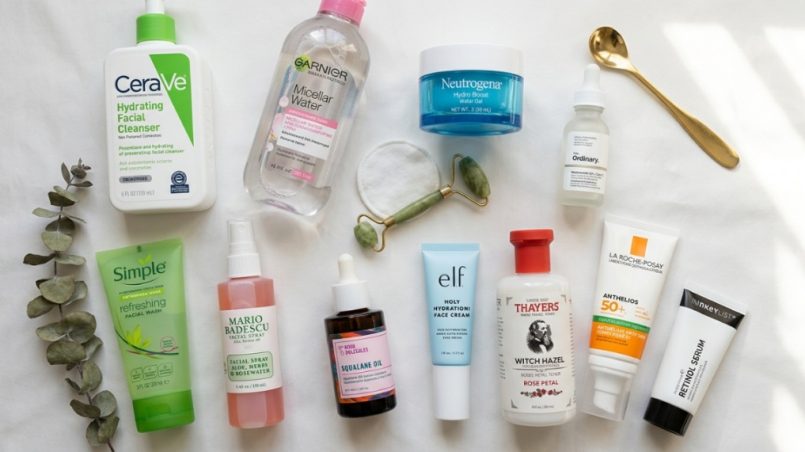
You want glowing, healthy skin, but your bank account says “not today.” The beauty industry bombards you with $100 serums and multi-step rituals that feel impossible to afford. You are left wondering if great skin is a luxury reserved for the wealthy. It is not. A budget skincare routine is not about cutting corners; it is about strategic choices. This guide strips away the hype, showing you exactly which products matter, which ingredients perform, and how to spend less than $30 without sacrificing results. Let us build a routine that works as hard as you do.
What Is a Budget Skincare Routine and Why Do You Need One?
A budget skincare routine is a curated set of products that target your skin’s primary needs without exceeding a low cost per product, typically under $15 to $20. You need it because expensive does not equal effective, and consistency beats luxury every time.
Defining “Budget” in Real Numbers
Most people assume budget means “cheap.” In reality, it means value-driven. You look for high-quality ingredients (like niacinamide, ceramides, or salicylic acid) at drugstore price points. Brands like CeraVe, The Ordinary, and La Roche-Posay offer science-backed formulations for a fraction of the cost of luxury lines.
Why Price Does Not Equal Performance
Clinical studies show that active ingredients work at specific concentrations, not specific price tags. A $8 niacinamide serum from The Ordinary (10% concentration) is chemically identical to a $60 version. The difference is marketing, packaging, and fragrance. Your skin does not know the price tag; it only knows the ingredients.
The Real Cost of Skipping Skincare
Skipping skincare entirely leads to premature aging, clogged pores, and dullness. These issues eventually require more expensive treatments (lasers, peels, or dermatologist visits). A consistent, affordable routine now prevents costly problems later. Think of it as an investment, not an expense.
How Do You Identify Your Skin Type on a Tight Budget?
You do not need a dermatologist or fancy gadgets to identify your skin type. The “wash and wait” method costs zero dollars and delivers 90% accuracy. You simply wash your face with a gentle cleanser, pat dry, and wait one hour without applying anything.
The Wash and Wait Method
After one hour, observe your T-zone (forehead, nose, chin). If it looks shiny, you have oily skin. If your cheeks feel tight or flaky, you have dry skin. If your T-zone is shiny but cheeks are normal, you have combination skin. If you feel no tightness and no shine anywhere, you have normal skin. This method requires no purchases.
Reading Ingredient Labels Like a Pro
Once you know your skin type, look for ingredients that address your concerns. For oily skin, search for “salicylic acid” or “niacinamide.” For dry skin, look for “ceramides,” “hyaluronic acid,” or “glycerin.” For sensitive skin, avoid “fragrance,” “alcohol denat,” and “essential oils.” These are listed on the back of every drugstore product.
Common Mistakes Beginners Make
Beginners often buy every product at once. This is a waste of money. If your skin reacts badly to a product (breakouts, redness), you will not know which one caused it. A budget skincare routine means introducing one new product every two weeks. This saves you from tossing entire hauls in the trash.
Which Three Products Are Non-Negotiable for a Budget Routine?
You only need three products: a gentle cleanser, a moisturizer, and a sunscreen. These three form the foundation. Everything else (serums, toners, masks) is optional. Focus on these first before spending money on extras.
The Best Budget Cleansers Under $12
Look for non-foaming, sulfate-free formulas. Foaming cleansers strip natural oils, causing dryness or rebound oiliness. Top picks include CeraVe Hydrating Cleanser ($11), La Roche-Posay Toleriane Hydrating Gentle Cleanser ($14), and Vanicream Gentle Facial Cleanser ($9). These remove dirt without damaging your skin barrier.
Choosing a Moisturizer for Your Specific Needs
Moisturizers lock in hydration and strengthen the skin barrier. For oily skin, choose a gel-based formula like Neutrogena Hydro Boost Water Gel ($10). For dry skin, choose a cream-based formula like CeraVe Moisturizing Cream ($13). For combination skin, use the gel formula on your T-zone and the cream on your cheeks. One moisturizer can serve multiple zones.
Why Sunscreen Is the Most Important Step
Sunscreen prevents 90% of visible aging, including wrinkles, dark spots, and loss of elasticity. No serum or treatment can reverse sun damage. A budget-friendly option is Supergoop! PLAY Everyday Lotion SPF 50 ($20 for 5 oz) or Australian Gold Botanical SPF 50 ($12). Apply every single morning, rain or shine.
How Can You Build an Effective Routine for Under $30?
With strategic shopping and multipurpose products, you can build a complete morning and evening routine for under $30. The key is selecting products that serve more than one function.
Morning Routine: 3 Steps, $15
- Step 1: Cleanse – Splash with water (free) or use a gentle cleanser like CeraVe Hydrating Cleanser ($11).
- Step 2: Moisturize – CeraVe Moisturizing Cream ($13) works for most skin types. Apply a pea-sized amount.
- Step 3: Protect – Australian Gold Botanical SPF 50 ($12). This tinted sunscreen doubles as a light foundation.
Total morning cost: $12–$15 (if you share products between morning and night).
Evening Routine: 3 Steps, $18
- Step 1: Double Cleanse – Use a cheap oil cleanser like DHC Deep Cleansing Oil ($16 for a 6.7 oz bottle, lasts 3 months). Follow with your gentle cleanser.
- Step 2: Treat (Optional but Powerful) – The Ordinary Niacinamide 10% + Zinc 1% ($6) controls oil and reduces pores.
- Step 3: Moisturize – Same moisturizer from the morning.
Total evening cost: $22 (one time purchase for oil cleanser, $6 for serum, $13 for moisturizer). These products last 2–3 months.
Where to Save vs. Where to Splurge
Save money on cleansers and moisturizers (drugstore brands are elite). Spend a little more on sunscreen (comfort and texture matter for daily use). Serums are the most affordable category overall, with The Ordinary and Good Molecules offering high-effectiveness at low prices.
Which Ingredients Deliver the Most Bang for Your Buck?
Certain ingredients offer multiple benefits simultaneously, meaning one product can replace three. This is the secret to a truly efficient budget skincare routine.
Niacinamide: The Multitasker Hero
Niacinamide (Vitamin B3) reduces pores, controls oil, fades dark spots, and strengthens the skin barrier. It costs $5–$10 per bottle from The Ordinary or Good Molecules. One serum replaces a pore-minimizing product, a brightening product, and a barrier-strengthening product. That is three products for the price of one,Consistency is the key to any successful regimen. Whether you are at home or on the move, maintaining your routine is vital. If you travel often, learn how to pack your skin care for business travel to ensure you never skip a step.
Hyaluronic Acid: Hydration Without Oil
Hyaluronic acid holds 1,000 times its weight in water, plumping skin and reducing fine lines. It works for all skin types. The Inkey List Hyaluronic Acid Serum ($8) provides immediate hydration. Apply it to damp skin after cleansing for maximum absorption.
Ceramides: The Barrier Builders
Ceramides are lipids that fill the gaps between skin cells, preventing moisture loss and irritation. CeraVe Moisturizing Cream ($13) contains three essential ceramides. It is cheaper than most moisturizers and clinically proven to repair the skin barrier. This one jar can replace a separate night cream and barrier repair treatment.
How Do You Avoid Common Budget Skincare Mistakes?
Even with the best intentions, beginners waste money on ineffective products or routines that cause breakouts. Avoiding these three pitfalls will save you hundreds of dollars over time.
The “More Is Better” Trap
Applying five serums at once does not give you five times the results. It overwhelms your skin, causing irritation, breakouts, or chemical burns. A budget skincare routine uses maximum two active ingredients at a time. For example, use niacinamide in the morning and a retinol alternative (like Bakuchiol) at night. Stacking them causes inflammation.
Falling for “Natural” and “Clean” Marketing
The terms “natural” and “clean” are not regulated. Poison ivy is natural. Arsenic is clean. Do not pay $40 for a “natural” moisturizer when a $13 CeraVe moisturizer has decades of clinical testing. Always judge a product by its ingredients, not its marketing buzzwords.
Buying Full-Size Products for Trial
Never buy a full-size product the first time. Many drugstores (Walmart, Target, Ulta) sell travel sizes or mini versions for $3–$5. Test a product for two weeks. If your skin likes it, buy the full size. If it breaks you out, you have only lost $5 instead of $20. This simple habit cuts your skincare waste by 70%.
When Should You Upgrade or Add Products to Your Routine?
A budget skincare routine is not static. As your skin changes (with seasons, age, or stress), you may need to swap or add products. Knowing when to upgrade prevents unnecessary spending.
Signs You Need a New Cleanser
If your current cleanser leaves your skin feeling tight, greasy, or worse after washing, it is time to change. For example, if you have oily skin but are using a foaming cleanser, swap to a gel-based one. If your skin becomes dry in winter, switch to a cream cleanser. The product cost is still under $12.
When to Introduce an Exfoliant
If you notice dullness, clogged pores, or uneven texture, add a gentle exfoliant. The Ordinary Glycolic Acid 7% Toning Solution ($9) is a budget-friendly option. Use it twice per week, never daily. Over-exfoliating destroys your skin barrier and leads to redness and breakouts. Less is more.
Seasonal Adjustments on a Budget
In summer, swap your moisturizer from a cream to a gel formula. In winter, add a richer moisturizer or a single layer of facial oil (The Ordinary 100% Plant-Derived Squalane, $7). These swaps cost $7–$13 each and adjust your routine to your skin’s seasonal needs without overhauling everything.
Can You Trust Drugstore Brands for Quality Results?
Yes. Many drugstore brands are owned by large parent companies that invest heavily in research and development. Neutrogena, CeraVe, and La Roche-Posay are backed by dermatologists and clinical trials. The idea that expensive brands are “better” is a myth perpetuated by marketing.
The Science Behind Drugstore Brands
L’Oreal owns SkinCeuticals (luxury) and CeraVe (budget). The research and development teams often overlap. The technology used in a $100 serum eventually trickles down to a $12 drugstore product. You are getting the same science, just without the fancy packaging or perfume.
How to Spot Fake or Expired Products
Always buy from authorized retailers (CVS, Walgreens, Target, Ulta, Amazon official storefronts). Avoid third-party sellers on Amazon or eBay. Check the expiration date on the bottom of the bottle. A product that smells weird, separates, or changes color is expired and should be thrown away. Using expired products wastes money and damages skin.
Pros and Cons of Brand vs. Generic
| Factor | Brand (e.g., CeraVe) | Generic (e.g., Equate) |
|---|---|---|
| Ingredient quality | High, clinically tested | Variable, often lower |
| Texture & feel | Pleasant, consistent | May be greasy or watery |
| Price | $10–$15 | $5–$8 |
| Skin safety | Proven low irritancy | Higher risk of reactions |
| Recommendation | Always safe | Buy only if ingredient list matches exactly |
Frequently Asked Questions
How much should I spend on a budget skincare routine?
You can build an effective routine for $25–$35 for the initial purchase of 3–4 products. These products will last 2–3 months, meaning your monthly cost drops to $8–$12 per month.
Can a budget skincare routine treat acne?
Yes. Use a gentle cleanser, a 2.5% benzoyl peroxide spot treatment (like Neutrogena Rapid Clear, $8), and a non-comedogenic moisturizer. Avoid expensive acne kits; individual products work better and cost less.
Is it worth buying a separate eye cream on a budget?
No. Your regular moisturizer works perfectly for the under-eye area. Eye creams are just thicker moisturizers in smaller jars. Save your money. Apply your regular moisturizer gently around the eyes with your ring finger.
How do I layer products correctly?
Apply products from thinnest to thickest consistency. Start with cleanser, then serum (if any), then moisturizer, then sunscreen. Each product should absorb into the skin before applying the next. This prevents pilling (little balls of product) and ensures each layer works.
Can men use the same budget skincare products?
Absolutely. Skincare is not gendered. Ingredients like niacinamide, hyaluronic acid, and ceramides work the same on all skin types. Avoid products marketed specifically for men, which often contain drying alcohol and cost more. Use the same drugstore favorites.
Conclusion
You do not need a $500 skincare routine to get clear, healthy, radiant skin. A budget skincare routine built on three core products—a gentle cleanser, a rich moisturizer, and a daily sunscreen—delivers 90% of the results for 10% of the cost. The rest is marketing hype. Choose ingredients over brand names, introduce products slowly, and listen to your skin. It will tell you exactly what it needs. Start today by replacing one expensive product with a drugstore alternative. Your skin (and your wallet) will thank you. Go ahead, build your routine, and enjoy the glow without the guilt.