
Golf is a game built on respect. Respect for your playing partners, respect for the rules, and respect for the course itself. One small but powerful expression of that respect is repairing the damage your ball leaves on the green. That is where the golf divot tool comes in.
A divot tool is one of the most overlooked items in a golfer’s bag. It is small, inexpensive, and easy to carry. Yet its impact on the quality of the course and the experience of every player who follows you is significant. Understanding why it matters and how to use it correctly is a fundamental part of golf etiquette tips that every player should know.
This article explains the role of the divot tool in course care, how to use it properly, and why making it a habit reflects the best values of the game.
What a Golf Divot Tool Actually Does
When a golf ball lands on a green from a high-trajectory shot, it creates a small depression in the turf. This mark is called a pitch mark or ball mark. The grass roots beneath the surface get compressed and torn, which disrupts the smooth surface that putting requires.
Left unrepaired, a pitch mark can take several weeks to heal naturally. The grass around the indent dies back, leaving a rough, uneven patch. This affects the roll of every putt that crosses it. Additionally, when many pitch marks go unrepaired across a green, the overall putting surface deteriorates quickly.
A divot tool lifts and loosens the compressed soil around the mark, allowing the grass to recover in a matter of days rather than weeks. It is a simple action that takes less than thirty seconds but makes a lasting difference to golf green care.
The History and Design of the Divot Tool
The divot tool has been part of the game for generations. Early versions were simple metal prongs. Today, they come in a wide range of designs, materials, and styles.
The most common type is the two-pronged fork. It is inserted into the edge of the pitch mark and pushed inward rather than upward, which avoids tearing the roots further. Some tools include a single curved blade instead of prongs, which some golfers find easier to use consistently.
Many divot tools now combine with a magnetic ball marker, making them even more practical. A coin-sized magnetic marker clips to the top of the tool and can be placed on the green to mark your ball without losing track of it. This makes the divot tool one of the most multifunctional golfer essentials you can carry.
Higher-end versions come in stainless steel, brass, or custom engraved designs. They are popular as gifts and tournament prizes. However, the material does not affect performance. Even the simplest plastic divot tool does the job perfectly well.
The Correct Way to Repair a Pitch Mark
Many golfers carry a divot tool but do not use it correctly. Poor technique can actually cause more damage than the original pitch mark. Therefore, learning the right method is essential.
Step One: Locate the Mark Clearly
Approach your ball and identify the pitch mark before picking the ball up. Pitch marks are not always directly behind the ball. Sometimes the ball skips slightly on landing, leaving the mark a few centimetres away. Look carefully before you start.
Step Two: Insert the Tool at the Edge
Place the prongs of the tool at the outer edge of the depression, not in the centre. Angle the tool slightly inward, toward the middle of the mark. Avoid pushing straight down, as this can damage the roots below the surface.
Step Three: Push Inward, Not Upward
Gently push the tool inward and forward, coaxing the grass roots back toward the centre of the mark. Repeat this action from multiple points around the edge of the pitch mark. The goal is to bring the grass back to level without lifting or tearing it.
Step Four: Smooth the Surface
Once you have worked around the entire mark, use the flat sole of your putter to gently tamp down the repaired area. This smooths the surface and ensures an even putting line. The mark should be nearly invisible when done correctly.
Why Repairing Pitch Marks Is a Core Golf Etiquette Tip
Golf courses invest enormous resources in maintaining their greens. Greenkeeping staff work early mornings and long hours to keep putting surfaces in the best possible condition. However, their work is undermined quickly when players neglect to repair their pitch marks.
The rule of thumb most experienced golfers follow is simple: repair your own mark and at least one other you find on the green. This collective approach means that each group of four players can repair eight or more marks per hole. Over the course of a full round, that adds up to a meaningful contribution to course quality.
Beyond the practical benefit, repairing pitch marks signals awareness and consideration. It tells your playing partners and the players behind you that you understand the game is bigger than any single round. This is one of the most important golf etiquette tips because it reflects the values the game has always stood for.
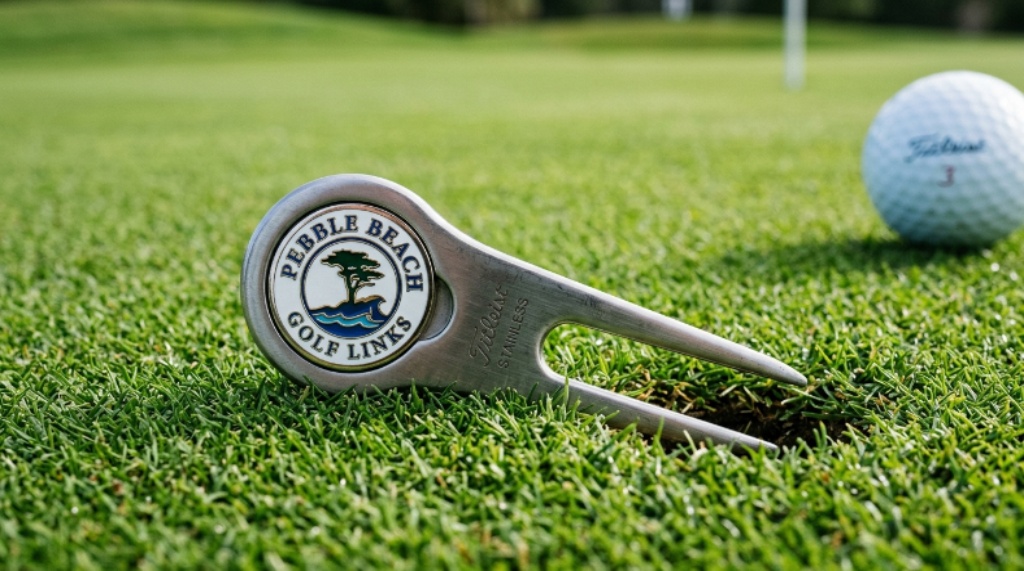
Carrying a Divot Tool as Part of Your Standard Kit
A divot tool should live in your pocket, not buried in your bag. The best habit is to place it in the same pocket every time you play, so reaching for it becomes automatic. Many golfers keep it alongside their tee pegs and a ball marker so that everything needed on the green is always within easy reach.
If you are new to the game, adding a divot tool to your kit is one of the first steps toward playing with full awareness of course responsibility. It is a small addition that communicates a great deal about the kind of golfer you are.
Additionally, if you are playing with less experienced golfers, showing them how to repair a pitch mark is a generous and useful thing to do. Teaching good habits early helps preserve the quality of courses for everyone.
The Wider Responsibility of Golf Green Care
Repairing pitch marks is just one part of a broader approach to looking after the course. Golf green care extends to several other habits that complete golfers develop over time.
Avoid walking on the line of another player’s putt. This prevents footprint impressions on a surface that is already delicate. Replace or fill divots on the fairway using the sand and seed mixture provided in most trolley bags. Rake bunkers after every visit, leaving them smooth for the next player.
These habits, taken together, reflect a complete understanding of course stewardship. None of them requires significant effort or extra time. They simply require awareness and intention. Therefore, developing them as automatic habits is the most straightforward path to becoming a golfer who is genuinely respected on any course.
Choosing the Right Divot Tool for Your Game
With so many options available, picking a divot tool can feel unnecessary to overthink. However, choosing one you actually like using increases the chance that you use it consistently.
Consider these factors when selecting a tool:
- Size and weight: A lightweight, compact tool fits comfortably in a pocket without bulk.
- Combined function: A tool with an integrated magnetic ball marker eliminates the need to carry separate items.
- Material: Stainless steel tools are more durable and feel more premium in the hand. Plastic tools are equally functional and significantly cheaper.
- Grip comfort: Some tools have a rubberised grip that makes them easier to hold, especially in wet conditions.
- Personal style: Many manufacturers offer custom engraving or colour options. Choosing a tool you like the look of makes it easier to remember.
Ultimately, the best divot tool is the one that stays in your pocket every round and gets used on every green.
Conclusion
The golf divot tool is a small object that carries significant meaning. It represents care for the course, consideration for fellow players, and an understanding of what golf is truly about. Repairing your pitch marks is one of the most practical golf etiquette tips you can put into action immediately, regardless of your skill level or how long you have been playing.
Good golf green care is a shared responsibility. When every player on the course takes it seriously, the quality of the playing surface improves for everyone. Adding a divot tool to your standard kit, learning to use it correctly, and making it a consistent habit elevates your game beyond just the score on your card. It makes you the kind of golfer that every course and every playing partner is glad to have.
Frequently Asked Questions
What is the correct technique for repairing a pitch mark?
Insert the prongs at the outer edge of the mark and push inward toward the centre from multiple angles. Avoid pushing straight down or lifting the grass upward, as both can damage the roots. Finish by smoothing the surface with the sole of your putter.
Should I repair pitch marks made by other players?
Yes. The standard etiquette is to repair your own mark and at least one additional mark you find on the green. This collective approach keeps putting surfaces in good condition throughout the day.
How long does an unrepaired pitch mark take to heal?
An unrepaired pitch mark can take two to four weeks to recover on its own. A properly repaired mark heals within a few days. This difference illustrates exactly why taking thirty seconds to repair the damage matters so much.
Is a divot tool the same as a pitch mark repairer?
Yes. The terms are used interchangeably. Both refer to the small forked or bladed tool used to repair ball marks on putting greens. Some people also call it a green fork or pitchfork tool.
Can I use a tee peg instead of a divot tool?
Technically yes, in an emergency. However, a tee peg is less effective because its shape makes it harder to coax the grass roots inward without tearing them. A proper divot tool is designed specifically for the task and produces a much better result.