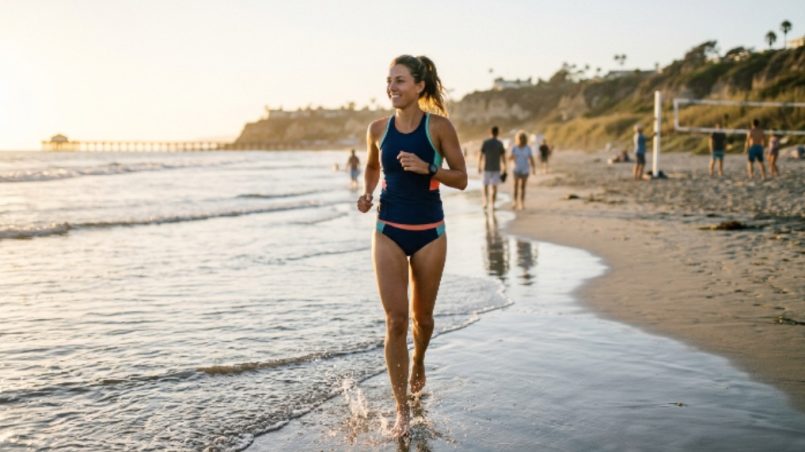
Choosing the right swimwear is not just about style. For active women, it is about comfort, safety, and performance. Whether you swim laps, surf, or enjoy beach workouts, the right suit can make a big difference. Poorly designed swimwear can cause irritation, restrict movement, or even lead to skin problems. Therefore, making a smart choice is essential.
This guide will help you understand how to select the best option for your needs. It focuses on comfort, durability, and skin health, while also keeping your active lifestyle in mind.
Why the Right Swimwear Matters
Active women need swimwear that can keep up with movement. Regular fashion swimsuits may look good, but they often lack support and durability. As a result, they may stretch, slip, or cause discomfort.
However, well-designed swimwear supports your body, reduces friction, and allows free movement. Additionally, it protects your skin from irritation and harsh elements like chlorine and saltwater.
Understand Your Activity Level
Before buying swimwear, think about how you plan to use it. Different activities require different features.
- For swimming laps: Choose streamlined designs with strong support.
- For surfing: Look for secure fits and long sleeves.
- For water aerobics: Focus on flexibility and comfort.
- For beach sports: Pick durable and snug-fitting options.
Therefore, identifying your activity helps narrow down your choices quickly.
Choose Skin-Safe Materials
Fabric plays a key role in comfort and safety. Some materials can irritate sensitive skin, especially when wet for long periods.
Look for these features:
- Soft and smooth texture
- Hypoallergenic properties
- Breathable fabric
- Quick-drying capability
Many brands now offer skin-friendly swimsuits made with advanced fabrics. These materials reduce irritation and keep your skin comfortable during long sessions.
Additionally, avoid rough seams or stiff fabrics. They can rub against your skin and cause redness or discomfort.
Focus on Proper Fit
Fit is one of the most important factors. A poorly fitted swimsuit can ruin your experience.
Here’s what to check:
- Snug but not tight fit
- No digging straps
- Full coverage where needed
- Secure bust support
However, avoid swimsuits that are too tight. They can restrict movement and cause chafing. On the other hand, loose suits may shift or slip during activity.
Therefore, always try before buying if possible, or carefully check size guides when shopping online.
Look for Anti-Chafing Features
Chafing is a common problem for active women. It happens when fabric rubs against the skin repeatedly.
To prevent this, choose anti-chafing swimwear with:
- Flatlock seams
- Seamless construction
- Soft lining
- Stretchable fabric
Additionally, swimsuits with longer cuts, such as boy shorts or rash guards, can reduce friction. This is especially useful for activities like surfing or beach running.
Consider Support and Coverage
Support is essential, especially for high-impact water activities. A good swimsuit should hold everything in place without discomfort.
Key features to look for:
- Built-in bras or cups
- Adjustable straps
- Wide shoulder straps
- High necklines for extra coverage
However, your choice depends on personal preference. Some women prefer more coverage, while others prefer flexibility. Therefore, find a balance that suits your needs.
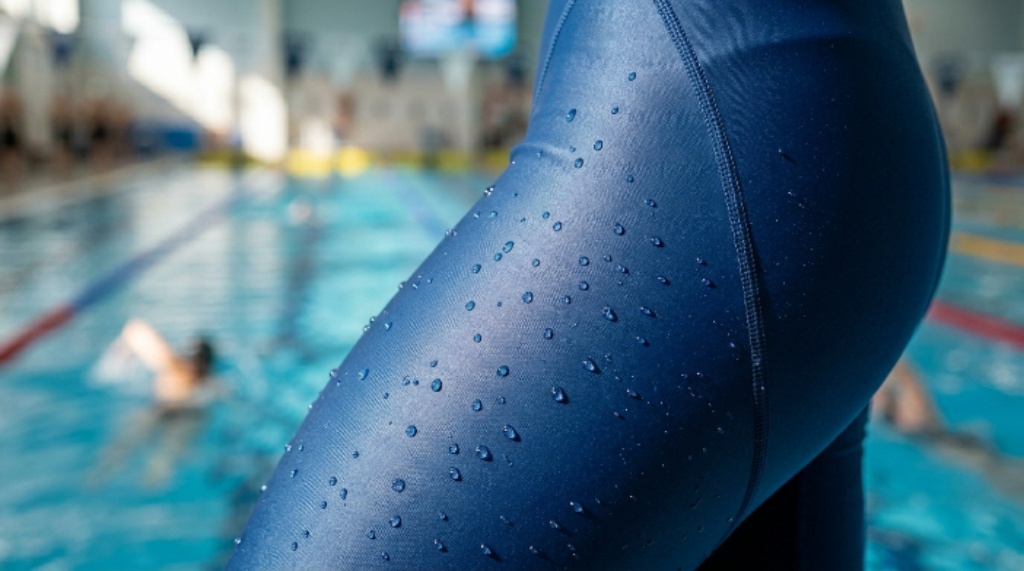
Check Durability and Chlorine Resistance
Active women often use their swimwear frequently. As a result, durability becomes important.
Look for:
- Chlorine-resistant fabric
- UV protection
- Strong stitching
- Fade-resistant colors
Additionally, high-quality materials maintain their shape longer. This means your swimsuit will last through many uses without losing its fit.
Prioritize Comfort for Long Wear
Comfort is not just about fit. It also includes how the swimsuit feels over time.
Choose swimsuits that:
- Do not pinch or rub
- Stay in place during movement
- Feel lightweight in water
Additionally, consider how the suit behaves when wet. Some fabrics become heavy or cling uncomfortably. Therefore, always check product details before buying.
Pay Attention to Design and Style
While comfort is key, style still matters. The right design can boost confidence and improve performance.
Popular options include:
- One-piece suits for better support
- Two-piece athletic sets for flexibility
- Rash guards for sun protection
- Swim leggings for added coverage
However, avoid designs that compromise function for fashion. For example, thin straps or loose cuts may look good but fail during active use.
Think About Sun Protection
Outdoor activities expose your skin to harmful UV rays. Therefore, choosing swimwear with built-in protection is a smart move.
Look for:
- UPF-rated fabrics
- Long sleeves or high necklines
- Dark or tightly woven materials
Additionally, combining protective swimwear with sunscreen offers better safety.
Easy Maintenance and Care
Proper care extends the life of your swimwear. Active women should choose suits that are easy to maintain.
Follow these tips:
- Rinse after each use
- Avoid harsh detergents
- Air dry instead of using a dryer
- Store in a cool, dry place
Additionally, high-quality fabrics resist damage from chlorine and saltwater. This makes maintenance easier and keeps your swimsuit in good condition.
Budget vs Quality
It can be tempting to choose cheaper options. However, low-cost swimwear often lacks durability and comfort.
Investing in high-quality skin-friendly swimsuits ensures better performance and longer use. Although the initial cost may be higher, it saves money over time.
Therefore, focus on value rather than price alone.
Common Mistakes to Avoid
Many women make simple mistakes when choosing swimwear. Avoid these to ensure a better experience:
- Choosing style over function
- Ignoring fabric quality
- Buying the wrong size
- Overlooking seam construction
- Not considering activity type
Additionally, always read reviews when shopping online. They can provide real insights into comfort and durability.
Conclusion
Choosing the right swimwear for active women requires careful thought. It is not just about appearance but also about comfort, safety, and performance. By focusing on fabric, fit, support, and durability, you can find a swimsuit that meets your needs.
Additionally, features like anti-chafing swimwear and high-quality materials improve your overall experience. Therefore, take time to evaluate your options before making a decision. The right choice will help you stay comfortable, confident, and ready for any activity.
FAQs
1. What is the best fabric for active swimwear?
The best fabrics are nylon blends and polyester with spandex. They are durable, flexible, and quick-drying.
2. How can I prevent chafing while swimming?
Choose swimsuits with flat seams, soft lining, and proper fit. Additionally, avoid rough fabrics.
3. Are one-piece swimsuits better for active women?
Yes, they often provide better support and stay in place during movement. However, it depends on personal preference.
4. How do I know if a swimsuit fits properly?
It should feel snug but not tight. It should not dig into your skin or shift during movement.
5. How long does a good swimsuit last?
With proper care, a high-quality swimsuit can last one to two years or longer.
Related Topics:
How to Get a Bot Lobby in Fortnite: Easy Methods