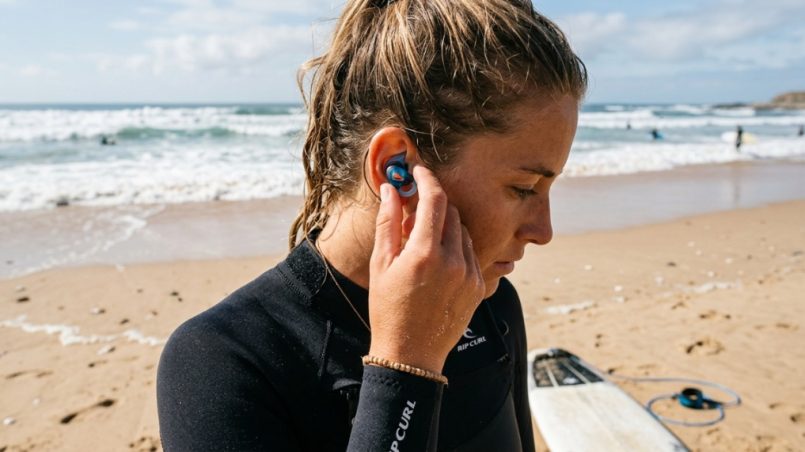
Surfing is supposed to clear your head, not leave it feeling clogged and pressurized. If you’ve dealt with surfer’s ear, you know the drill: the cold water hits your ear canal, and suddenly you’re riding waves with a dull ache or that annoying “full” feeling that won’t go away. That’s why many surfers are moving away from solid plugs and toward vented options. But not all vented plugs are created equal. The difference between a plug you forget you’re wearing and one that irritates you all session comes down to a few specific design factors. This guide breaks down exactly how to compare vented surf ear plugs so you can find a pair that offers protection without sacrificing comfort
Why Vented Plugs Are Different from Solid Plugs
Before comparing specific models, it helps to understand the core mechanics. Traditional solid ear plugs create a complete seal, which blocks water effectively but also traps air and pressure inside the ear canal. This can cause a vacuum effect when you remove them and can make your ears feel “stopped up” while you’re paddling.
Vented plugs feature a small, specialized filter or channel that allows air and sound to pass through while still blocking water. This design serves two main purposes:
- Pressure Equalization: The vent allows air to move in and out, preventing the uncomfortable suction and pressure buildup that occurs with solid plugs.
- Situational Awareness: You can hear your surroundings better—like a friend yelling “wave!” or the sound of a set approaching—which is a major safety advantage.
However, the vent is also the source of most comfort issues. If the vent is positioned incorrectly, or if the material is too stiff, the plug will cause hot spots and soreness. When you start looking at vented surf ear plugs, you need to look past the marketing and focus on how the physical design interacts with your specific ear anatomy.
The Material Matters: Silicone vs. Custom Molded
Comfort starts with what the plug is made of. You generally have two choices: pre-molded silicone or custom-fitted options.
Pre-Molded Silicone
These are the most common and affordable. They come in standard shapes (like a bell or a cone) and rely on the flexibility of the silicone to conform to your ear. The best pre-molded options use a medical-grade, ultra-soft silicone that is pliable enough to bend with your ear cartilage. If the silicone is too rigid, it will push against the bony part of your ear canal and cause pain within 30 minutes.
Custom Molded
These are made from an impression of your ear and are the gold standard for long-term comfort. They distribute pressure evenly across the entire ear canal, eliminating the “hot spots” that standard plugs cause. While they are significantly more expensive, they are often the only solution for surfers who have oddly shaped canals or who surf multiple times a week. The trade-off is that you cannot return them if they don’t fit perfectly, so you must go to a professional audiologist for the fitting.
How the Vent Design Affects Fit
The vent isn’t just a hole; it’s a structural feature that changes how the plug sits in your ear. When comparing options, pay close attention to where the vent is located.
Central Vent vs. Offset Vent
Some plugs have a vent running straight down the middle. This is fine for air pressure, but it can sometimes allow a tiny, high-pressure jet of water to hit the eardrum if a wave smacks you directly in the ear. Offset vents, or those that are angled, tend to disrupt water flow better while still allowing air exchange.
Filter Resistance
Look at the membrane or filter inside the vent. A filter that is too open will let water in during a wipeout. A filter that is too closed defeats the purpose of the vent. The best designs use a hydrophobic membrane that repels water molecules but allows air molecules to pass. If you are comparing plugs, check if the filter is replaceable. Over time, earwax and salt residue will clog the membrane, reducing its effectiveness and changing the pressure dynamics in your ear,While protecting your hearing in the water is essential, your gear also takes a beating from the waves—if your board suffers an impact while paddling out, you can easily restore it by learning Fix a Dinged Surfboard in 5 Steps before your next session.
Key Fit Factors: Retention and Seal
A comfortable plug is useless if it falls out during a duck dive. You need a balance between a secure fit and gentle pressure.
The “Sweet Spot” of Pressure
If the plug is too small, it won’t seal, and water will trickle in—this often causes a “squeaking” sound in your ear. If it’s too large, it will cause a throbbing ache. The ideal plug should feel snug but not tight. You should be able to wear it for two hours without feeling the need to take it out.
Handle Design
Many vented plugs feature a small handle or tab for removal. This seems minor, but it impacts comfort significantly. A rigid handle that pokes out of your ear can rub against your wetsuit hood or your hair, causing irritation. Look for a low-profile handle that sits flush against the tragus (the small flap of cartilage in front of the ear canal).
Comparing Sound Fidelity and Awareness
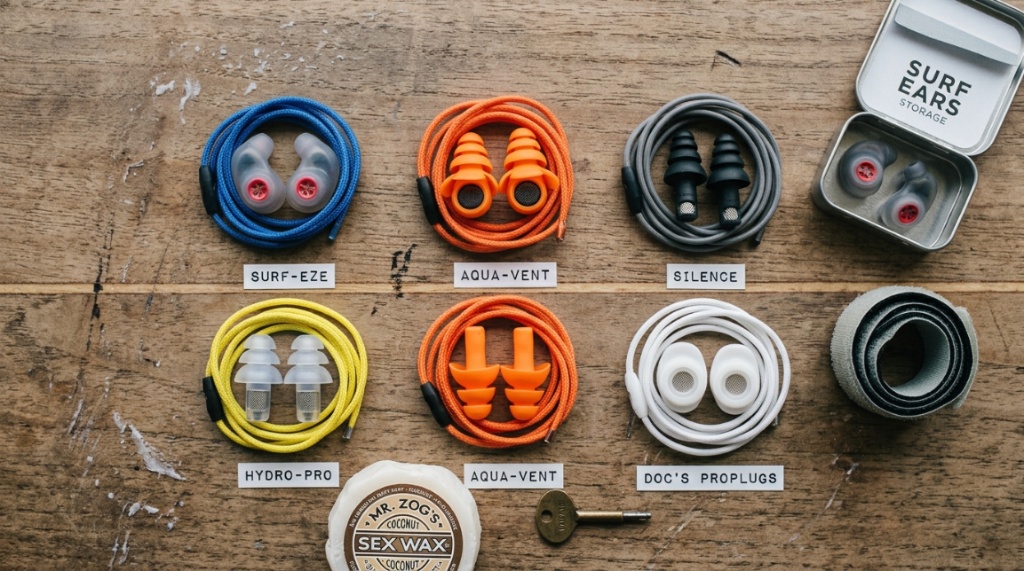
One of the main reasons surfers switch to vented plugs is to hear better. However, not all vents are acoustically transparent.
When comparing, consider what you need to hear. You don’t need concert-quality audio, but you do need to hear the difference between a wave breaking left and right. High-quality vented filters attenuate (reduce) sound evenly across frequencies. Cheaper vents often muffle high-frequency sounds (like the “hiss” of a breaking wave) while letting low-frequency sounds (like the rumble of the ocean) pass through. This can make it harder to judge the timing of a wave.
If you surf in crowded lineups, prioritize a plug with a wider vent opening, as it will preserve more of the directional sound you need for safety.
Common Mistakes When Choosing Vented Plugs
Even with the right information, surfers often make these errors when purchasing:
- Buying “One Size Fits All” without checking the diameter: Ear canals vary in size. A plug designed for a small female ear will not work for a large male ear, and vice versa. Check the specific millimeter diameter of the bell or flange.
- Ignoring the Lanyard: If you lose a plug in the ocean, you have to paddle in. A comfortable lanyard should be made of a soft, stretchy cord (like neoprene or surgical tubing) that doesn’t chafe your neck. Avoid hard plastic lanyards.
- Assuming “Vented” means “Waterproof”: Vented plugs are water-resistant, not waterproof. If you are doing heavy duck dives or surfing in overhead waves, water can sometimes force its way through the vent. For heavy impact, solid plugs are safer.
- Not cleaning the vent: Salt crystals will form in the vent after drying. If you don’t rinse them in fresh water and blow through the vent to clear it, the filter will clog, and you will lose the pressure equalization benefit.
Step-by-Step Guide to Testing Comfort
You can’t test a plug in the store, but you can do a “dry test” at home before you hit the water.
- Insert and Wait: Put the plug in and set a timer for 15 minutes. Do not take it out. If you feel a burning or sharp pain within the first 5 minutes, the plug is too large or the material is too stiff.
- Simulate Pressure: Press your palm firmly against your ear (over the plug) and release. You should feel air move, not a suction pull. If you feel a vacuum when you release your hand, the vent is not working effectively.
- Talk Out Loud: Speak in a normal voice. Your own voice should sound slightly muffled but not like you are talking inside a barrel. If your voice sounds boomy and hollow, the plug is sealing too tightly and trapping bone-conducted sound.
- Wear a Hood: If you surf in cold water, put on your wetsuit hood over the plugs. The hood will push the plugs deeper into your ear. If the plug has a hard edge, this will become painful immediately. This test is crucial for winter surfers, Before hitting the waves with your new gear, make sure your board is in top shape by learning fix a dinged surfboard in 5 steps to protect your equipment.
Price vs. Longevity: What Is Worth Paying For?
Vented plugs range from $15 to over $100. The price difference is not just about brand markup; it reflects the complexity of the filter and the quality of the silicone.
In the budget range ($15–$30), you are paying for a simple silicone mold with a hole in it. These are fine for occasional summer surfers, but the silicone will degrade quickly with sun exposure, and the vent is often just a straight hole that lets water in during wipeouts.
In the premium range ($50+), you are paying for a true acoustic filter and a durable, medical-grade material that won’t harden after a season of use. If you surf more than once a week, the premium option is cheaper in the long run because you won’t have to replace them every few months.
Frequently Asked Questions
Can I wear vented ear plugs if I have ear tubes or a perforated eardrum?
No. If you have a perforated eardrum or pressure equalization tubes, you should not use any ear plug without consulting an ENT doctor. The vent allows air to pass, but it does not regulate pressure safely for these conditions.
How do I stop vented plugs from hurting my ears during a long session?
If they hurt, they are likely too large or too rigid. Try a smaller size first. If the pain persists, the material is the issue—look for a softer, more pliable silicone that conforms to the ear’s natural bend rather than forcing it straight.
Do vented plugs protect against surfer’s ear as well as solid plugs?
They protect against water entry, but not as aggressively as solid plugs. The vent is a potential entry point for cold water. For surfers in very cold water (below 50°F), solid plugs or plugs with a very tight hydrophobic membrane are more effective for preventing bone growth.
How often should I replace my vented ear plugs?
If you surf weekly, replace them every 6–12 months. Silicone breaks down with UV exposure and saltwater. If the plug starts to feel hard, sticky, or discolored, it is time to replace them, as the seal will be compromised.
Conclusion
Finding the perfect vented surf ear plug is a personal process. It requires looking beyond the packaging and understanding how the vent, the material, and the fit interact with your unique ear shape. Prioritize a soft silicone material and a low-profile vent design that sits comfortably under a hood. Remember that a slightly looser fit with a good vent is often more comfortable than a tight seal that causes pressure headaches. Take the time to test them at home, and don’t be afraid to move up to a custom-molded pair if standard sizes leave your ears sore. Your ears are essential to your surfing—protect them in a way that lets you focus on the waves, not the pain.