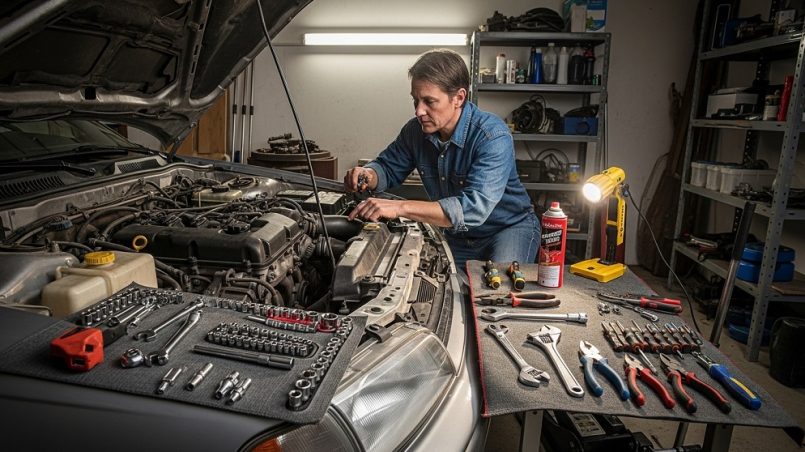
Learning how to start car repair with budget tools means performing basic vehicle maintenance and simple repairs at home using affordable hand tools instead of expensive professional equipment. Beginners can safely handle tasks like oil changes, battery replacement, brake pad inspection, filter swaps, and spark plug replacement with a starter toolkit under $150.
Car repair costs are rising every year. Labor alone can account for 40–60% of a repair bill in many regions. That creates a real problem for car owners who want reliability but cannot afford frequent mechanic visits. The good news is that modern vehicles still allow many maintenance tasks to be completed at home using basic tools.
This guide explains how to start car repair with budget tools step by step. You will learn what tools to buy first, what repairs are safe for beginners, how much money you can realistically save, and how to avoid common mistakes that increase costs instead of reducing them.
If you want practical control over vehicle maintenance without investing in a professional workshop setup, this article gives you a clear starting path.
Why Should Beginners Learn Car Repair at Home Instead of Visiting a Mechanic?
Short answer: Home car repair reduces maintenance costs, improves vehicle reliability awareness, and prevents small issues from becoming expensive failures.
Most drivers visit mechanics only after a warning light appears. That delay increases repair complexity. Learning basic maintenance helps detect early problems before they escalate.
According to data published by AAA, the average annual vehicle maintenance cost ranges between $500 and $900 depending on usage. Nearly 30% of those expenses come from routine services that can be completed at home with entry-level tools.
- Oil change savings: $25–$60 per service
- Air filter replacement savings: $15–$40
- Battery replacement savings: $20–$70
- Brake pad inspection savings: $50–$120
These small savings compound over time. Over three years, a beginner DIY maintenance routine can reduce ownership costs significantly without increasing risk.
What Budget-Friendly Tools Do You Need to Start Car Repair at Home?
Short answer: A basic home mechanic toolkit includes a socket set, wrench set, screwdriver kit, jack stands, torque wrench, and diagnostic scanner.
You do not need a professional garage to begin. Start with essential automotive tools that support routine maintenance tasks.
| Tool | Purpose | Estimated Budget Range |
|---|---|---|
| Socket set | Remove bolts and fasteners | $25–$60 |
| Combination wrench set | Tighten nuts and bolts | $20–$50 |
| Screwdriver kit | Interior and trim removal | $10–$25 |
| Hydraulic jack + stands | Lift vehicle safely | $50–$120 |
| Torque wrench | Prevent over-tightening | $35–$90 |
| OBD2 scanner | Read engine error codes | $20–$60 |
These tools allow beginners to complete more than 60% of routine maintenance tasks safely.
How Much Money Can You Save by Repairing Your Car at Home?
Short answer: Beginners typically save 40–70% on routine maintenance costs when performing basic repairs themselves.
Labor rates vary by region but commonly range between $40 and $120 per hour. Many standard services require only 30–60 minutes to complete.
A 2024 automotive maintenance case comparison study from consumer repair tracking platforms showed:
- DIY oil change average cost: $28
- Shop oil change average cost: $72
- DIY brake pad replacement: $85
- Shop brake pad replacement: $240
This difference shows how budget tools recover their cost quickly after only two or three repairs.
Which Car Repairs Are Safe for Beginners Using Budget Tools?
Short answer: Start with low-risk maintenance tasks like oil changes, air filter replacement, battery swaps, spark plug replacement, and wiper installation.
Beginner-safe repairs include:
- Engine oil replacement
- Cabin air filter replacement
- Engine air filter replacement
- Battery replacement
- Spark plug replacement
- Windshield wiper installation
- Fuse replacement
These repairs require minimal disassembly and have low risk of mechanical damage when performed carefully.
How Do You Set Up a Small Home Workspace for Car Repair?
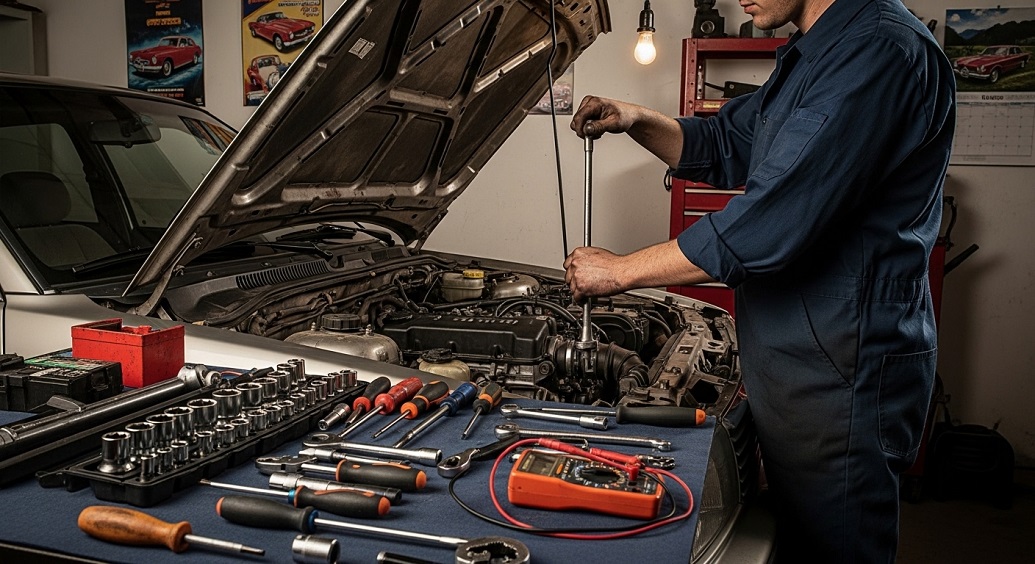
Short answer: A flat surface, proper lighting, storage space, and safety equipment are enough to start a home repair setup.
You do not need a garage lift. Many successful home mechanics work from driveways or small parking areas.
- Choose a stable flat surface
- Use portable LED work lights
- Keep tools organized in a toolbox
- Use wheel chocks for safety
- Wear protective gloves
A compact setup improves workflow and reduces tool misplacement time.
How Do You Perform Your First Oil Change Using Budget Tools?
Short answer: Lift the vehicle safely, drain old oil, replace the filter, and refill with manufacturer-recommended oil.
Basic oil change steps:
- Warm engine for 2 minutes
- Lift vehicle with jack stands
- Remove drain plug
- Drain old oil completely
- Replace oil filter
- Install drain plug securely
- Refill engine oil
- Check oil level
Most oil changes take less than 45 minutes after the first attempt.
What Safety Rules Should Beginners Follow During Home Car Repair?
Short answer: Always stabilize the vehicle, disconnect batteries when needed, and avoid working under unsupported cars.
Common safety practices include:
- Use jack stands instead of hydraulic jacks alone
- Wear gloves and safety glasses
- Work in ventilated areas
- Disconnect battery before electrical repairs
- Follow torque specifications
Following these steps prevents most beginner repair accidents.
How Can an OBD2 Scanner Help Beginners Diagnose Car Problems Quickly?
Short answer: An OBD2 scanner reads engine error codes and identifies problems before visiting a mechanic.
Modern vehicles store diagnostic trouble codes when sensors detect abnormal behavior.
A budget scanner helps identify:
- Oxygen sensor failure
- Loose fuel cap alerts
- Misfire warnings
- Emission system faults
- Battery voltage issues
This prevents unnecessary replacement of working components.
What Mistakes Should Beginners Avoid When Starting DIY Car Repair?
Short answer: Avoid overtightening bolts, skipping manuals, ignoring safety procedures, and using incorrect parts.
Common beginner mistakes increase repair costs instead of reducing them.
- Using wrong socket size
- Overtightening drain plugs
- Skipping torque specifications
- Installing incorrect filters
- Working without jack stands
Following manufacturer guidelines prevents expensive corrections later.
How Do Budget Tools Compare to Professional Automotive Tools?
Short answer: Budget tools handle routine maintenance effectively but may not support heavy-duty repairs.
Professional tools offer:
- Higher durability
- Precision calibration
- Faster workflow speed
- Extended torque range
However, entry-level tools perform reliably for maintenance tasks completed a few times per year.
How Long Does It Take to Learn Basic Car Repair Skills at Home?
Short answer: Most beginners learn essential maintenance skills within 2–4 weeks of consistent practice.
Skill development timeline:
- Week 1: Tool familiarity
- Week 2: Oil and filter changes
- Week 3: Battery and spark plugs
- Week 4: Brake inspection basics
Structured learning reduces hesitation and increases repair confidence quickly.
Conclusion: Is Starting Car Repair at Home with Budget Tools Worth It?
Learning how to start car repair with budget tools gives you practical control over vehicle maintenance without requiring professional training or expensive equipment. With a starter toolkit and basic safety knowledge, you can complete many essential services that reduce ownership costs and improve long-term reliability.
The biggest benefit is not just saving money. It is understanding how your vehicle works and identifying small issues before they become serious repairs.
Start with one task. Replace your air filter. Then change engine oil. Each completed repair builds skill and confidence. Over time, your toolkit becomes more capable and your repair ability grows naturally.
If you want to reduce maintenance expenses and become more independent as a vehicle owner, begin building your home repair toolkit today and take control of your car’s maintenance schedule.
FAQs About Starting Car Repair at Home Using Budget-Friendly Tools
Can beginners really repair cars at home safely?
Yes. Beginners can safely perform routine maintenance tasks like oil changes, filter replacements, and battery swaps using basic tools and safety precautions.
What is the minimum budget needed to start DIY car repair?
Most beginners can start home car repair with a toolkit costing between $100 and $200 covering essential maintenance tools.
Which repair should I learn first as a beginner?
Air filter replacement is the easiest first repair because it requires minimal tools and takes less than 10 minutes.
Do budget automotive tools last long enough?
Yes. Entry-level automotive tools last several years when used occasionally for home maintenance tasks.
Is it necessary to buy a torque wrench?
A torque wrench prevents overtightening bolts and is recommended for safety-critical components like wheels and drain plugs.
Can an OBD2 scanner replace a mechanic diagnosis?
An OBD2 scanner identifies engine error codes but does not replace professional inspection for complex mechanical failures.
How often should beginners practice DIY maintenance?
Performing small maintenance tasks every three months helps build confidence and maintain vehicle reliability.
Read More Also: How to Select Fresh Summer Perfumes Without Spending Much
Discover More: Best Cheap Nail Gun Alternatives That Still Deliver Quality