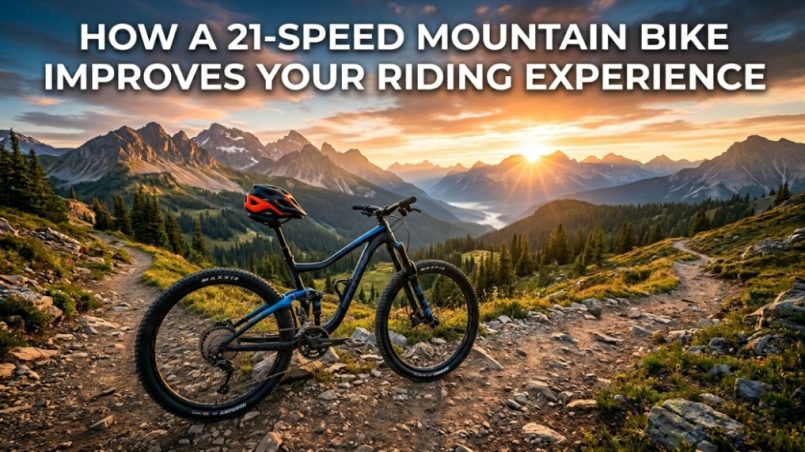
On steep roads, a rider with the wrong gear setup burns energy like a candle in the wind, while a rider using a Shimano-style gear bike climbs smoother, faster, and with less strain. A 21-speed mountain bike improves your riding experience by giving you multiple gearing options for hills, city roads, rough trails, and long-distance rides without exhausting your legs too quickly.
What Is a 21-Speed Mountain Bike and Why Does It Matter?
A 21-speed mountain bike is a multi-gear bicycle that combines three front chainrings with seven rear cogs to provide 21 gear combinations for different terrains and riding conditions.
A modern multi-speed MTB is designed to make cycling easier, more efficient, and more comfortable. Riders can switch gears depending on road resistance, slope angle, terrain type, and riding speed. Unlike single-speed bikes, a 21-speed setup allows smoother pedaling whether you are climbing steep hills, riding on muddy trails, or cruising through city streets.
Many entry-level and mid-range mountain bikes use Shimano-style gear systems because they are reliable, affordable, and beginner-friendly. Gear systems inspired by Shimano designs help maintain smoother shifting and better power transfer.
The biggest problem riders face with single-speed bicycles is energy waste. On uphill roads, riders pedal harder and tire faster. On flat roads, pedaling can feel too light and inefficient. A geared mountain bike solves this by adapting resistance levels to your environment.
According to multiple cycling industry reports, geared bicycles dominate recreational and trail riding markets because riders prefer comfort, versatility, and performance across different terrains.
How Does a 21-Speed Gear System Work?
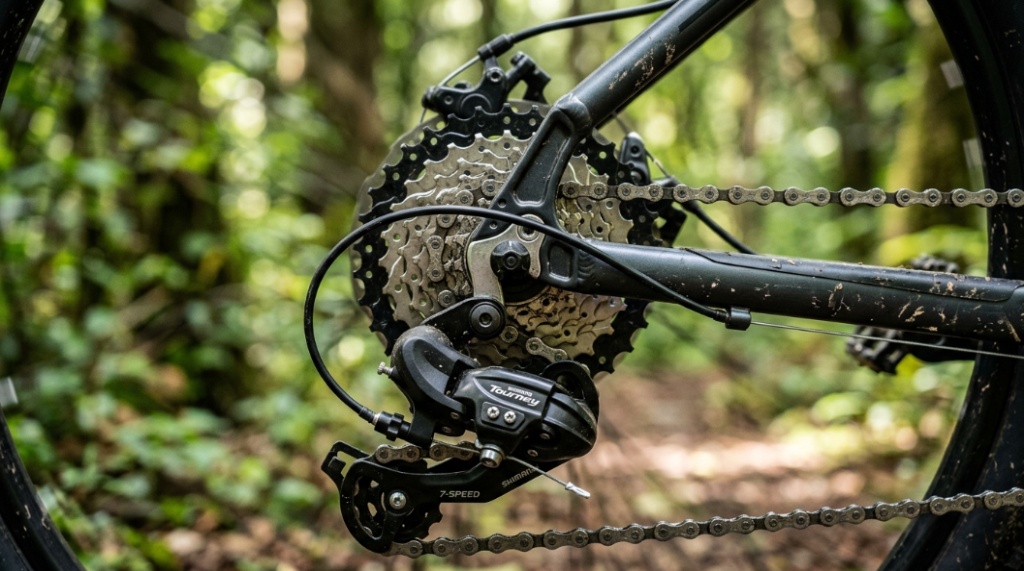
A 21-speed gear system works by combining front chainrings and rear cassette gears to create multiple resistance levels for easier or harder pedaling.
The drivetrain of a typical mountain bike includes:
- 3 front chainrings
- 7 rear sprockets
- Front derailleur
- Rear derailleur
- Gear shifters
- Bike chain
When you shift gears, the chain moves between different-sized sprockets. Smaller gears help increase speed on flat roads. Larger gears help reduce effort during climbs.
What Happens When You Use Lower Gears?
Lower gears reduce pedaling resistance, making climbing easier and helping riders conserve energy.
This is especially useful for:
- Steep hills
- Rocky trails
- Off-road terrain
- Long-distance cycling
- Beginner riders
What Happens When You Use Higher Gears?
Higher gears increase wheel speed and are best for smooth roads and downhill riding.
Riders use higher gears when:
- Riding on paved roads
- Descending hills
- Sprinting
- Maintaining high speed
Why Is a 21-Speed Mountain Bike Better Than a Single-Speed Bike?
A 21-speed mountain bike offers greater flexibility, comfort, and riding efficiency compared to single-speed bicycles.
Single-speed bikes work well for flat urban roads, but they struggle in varied terrain. A geared bike adapts to changing riding conditions instantly.
| Feature | 21-Speed Mountain Bike | Single-Speed Bike |
|---|---|---|
| Hill Climbing | Easy with lower gears | Difficult and tiring |
| Speed Control | Highly adjustable | Limited |
| Terrain Versatility | Excellent | Poor |
| Long Distance Comfort | Better endurance | More fatigue |
| Trail Riding | Suitable | Not ideal |
| Beginner Friendliness | Very beginner-friendly | Can be challenging |
For riders dealing with mixed terrain, a Shimano-style gear bike provides better control over cadence and energy output.
How Does a Multi-Speed MTB Improve Riding Comfort?
A multi-speed MTB improves comfort by reducing physical strain, improving pedaling rhythm, and adapting to terrain changes.
Cycling comfort is closely connected to cadence. Cadence refers to how fast you pedal. If the resistance is too high, your legs fatigue faster. If resistance is too low, pedaling becomes inefficient.
A geared mountain bike helps riders maintain a balanced cadence throughout the ride.
Reduced Knee Strain
Lower gears reduce pressure on knees during climbs. This is especially important for older riders and beginners.
Better Endurance
Efficient gear ratios allow riders to travel longer distances without exhausting themselves.
Smoother Trail Navigation
Rocky and uneven trails require frequent speed adjustments. Multiple gears help maintain traction and balance.
Improved Daily Commuting
Urban roads often include traffic stops, flyovers, rough surfaces, and inclines. A multi-speed MTB adapts easily to these changes.
Can a 21-Speed Mountain Bike Handle Both City Roads and Trails?
Yes, a 21-speed mountain bike is versatile enough for both urban commuting and off-road adventures.
This versatility is one reason mountain bikes remain extremely popular worldwide. Riders do not need separate bikes for every situation.
On city roads, higher gears allow smoother speed maintenance. On rough trails, lower gears provide better control and climbing ability.
Best Situations for a 21-Speed MTB
- Daily commuting
- Weekend trail riding
- Fitness cycling
- Long-distance touring
- Mountain terrain
- Village and rural roads
- Mixed road conditions
For riders living in areas with uneven roads, potholes, or changing terrain, a geared MTB offers practical advantages over road bikes and fixed-gear bicycles.
Why Do Shimano-Style Gear Bikes Feel Smoother?
Shimano-style gear bikes feel smoother because their drivetrain systems are designed for efficient shifting, balanced gear ratios, and reliable chain movement.
Shimano is one of the most recognized bicycle component manufacturers in the cycling industry. Many bikes use Shimano-inspired drivetrains because they deliver:
- Consistent shifting performance
- Durable components
- Easy maintenance
- Better chain stability
- Reliable gear transitions
Even entry-level mountain bikes using Shimano-style systems often provide noticeable improvements over basic non-geared bicycles.
Do Better Gear Systems Improve Efficiency?
Yes, smoother gear transitions reduce energy loss and improve riding efficiency.
When gear changes feel rough or delayed, riders lose momentum. Efficient shifting helps maintain speed and balance without interrupting pedaling flow.
How Does Gear Selection Affect Riding Performance?
Correct gear selection improves speed, stamina, control, and riding safety.
Many beginner cyclists misuse gears by staying in one gear throughout the ride. Proper gear usage dramatically changes performance.
Best Gear Usage Tips
- Use lower gears before climbing starts
- Shift gradually instead of suddenly
- Avoid cross-chaining
- Use higher gears for flat roads
- Maintain steady cadence
What Is Cross-Chaining?
Cross-chaining happens when the chain runs diagonally across extreme front and rear gears, causing wear and inefficient pedaling.
Examples:
- Largest front chainring + largest rear sprocket
- Smallest front chainring + smallest rear sprocket
Avoiding this extends drivetrain lifespan.
Is a 21-Speed Mountain Bike Good for Beginners?
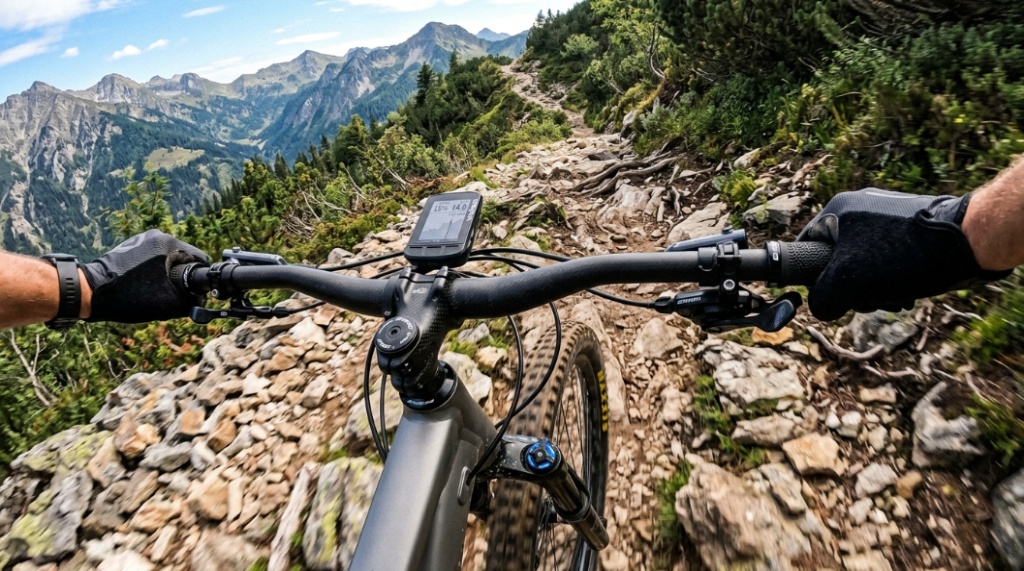
Yes, a 21-speed mountain bike is one of the best options for beginners because it balances versatility, comfort, and affordability.
Many new riders worry that multiple gears are difficult to learn. In reality, modern gear systems are intuitive after a few rides.
Why Beginners Prefer Multi-Speed MTBs
- Easier hill climbing
- Better confidence on rough roads
- Comfortable riding posture
- Wide tire stability
- Adaptability to different conditions
Entry-level mountain bikes also tend to have front suspension forks, which absorb shocks from bumps and potholes.
How Long Does It Take to Learn Gear Shifting?
Most riders become comfortable with gear shifting within one to two weeks of regular riding.
The key is practicing smooth transitions while maintaining steady pedaling.
How Does a Multi-Speed MTB Improve Fitness and Health?
A multi-speed MTB improves cardiovascular health, endurance, muscle engagement, and calorie burning while reducing excessive joint stress.
Cycling is widely recommended for low-impact fitness because it supports heart health without the heavy impact associated with running.
Health Benefits of Riding a Geared Mountain Bike
- Improves cardiovascular endurance
- Strengthens leg muscles
- Enhances lung capacity
- Supports weight management
- Improves mental health
- Reduces stress levels
Studies from health organizations consistently show that regular cycling can help reduce risks associated with sedentary lifestyles.
Why Gears Matter for Fitness
Gears allow riders to control workout intensity. Lower gears support endurance rides, while higher gears increase resistance for strength training.
What Features Should You Look for in a 21-Speed Mountain Bike?
The best 21-speed mountain bike should include reliable gears, durable brakes, strong tires, and a comfortable frame geometry.
Important Features to Consider
- Shimano-style drivetrain
- Front suspension fork
- Disc or V-brakes
- Lightweight frame
- Wide all-terrain tires
- Comfortable saddle
- Strong wheelset
Are Disc Brakes Better for MTBs?
Yes, disc brakes provide better stopping power in wet, muddy, and downhill conditions.
Mechanical and hydraulic disc brakes are increasingly common in modern mountain bikes because they improve control and safety.
How Does a 21-Speed MTB Compare to Other Gear Configurations?
A 21-speed MTB provides a balanced combination of affordability, simplicity, and versatility compared to lower or higher-speed setups.
| Bike Type | Best For | Complexity | Terrain Capability |
|---|---|---|---|
| Single-Speed Bike | Flat city roads | Very low | Limited |
| 21-Speed MTB | Mixed terrain | Moderate | Excellent |
| 24-Speed MTB | Advanced trail riding | Higher | Very high |
| 27-Speed MTB | Performance riding | High | Extreme terrain |
For most casual and intermediate riders, a 21-speed setup offers more than enough gearing flexibility.
Can a Shimano-Style Gear Bike Save Energy During Long Rides?
Yes, proper gear ratios reduce unnecessary muscle fatigue and improve pedaling efficiency over long distances.
Energy conservation matters during extended rides. Riders using incorrect resistance levels fatigue faster because muscles work harder than necessary.
A geared bike allows continuous adjustment depending on:
- Wind resistance
- Road incline
- Terrain roughness
- Rider stamina
- Traffic conditions
This makes long-distance rides smoother and more sustainable.
Why Are Multi-Speed MTBs Popular Worldwide?
Multi-speed MTBs are popular because they combine durability, adaptability, comfort, and affordability in one platform.
From urban commuters to mountain trail enthusiasts, riders prefer bikes that can handle different environments without major limitations.
Global cycling growth has also increased demand for versatile bicycles. Rising fuel costs, urban traffic congestion, and health awareness continue driving bicycle adoption worldwide.
Mountain bikes remain especially popular because they:
- Handle poor roads well
- Offer upright riding posture
- Support recreational riding
- Improve rider confidence
- Work in varied weather conditions
Conclusion: Is a 21-Speed Mountain Bike Worth It?
Yes, a 21-speed mountain bike is worth it for riders who want better comfort, flexibility, efficiency, and control across different terrains.
A Shimano-style gear bike transforms the riding experience by reducing fatigue, improving climbing ability, and allowing smoother speed adjustments. Whether you ride through city traffic, rough village roads, fitness tracks, or mountain trails, a multi-speed MTB adapts to changing conditions far better than a single-speed bicycle.
The real advantage is versatility. One bike can support commuting, exercise, adventure riding, and recreational cycling without forcing riders to struggle against terrain limitations.
For beginners, the learning curve is manageable. For experienced riders, gear flexibility improves efficiency and endurance. Combined with modern braking systems, suspension forks, and durable frames, a 21-speed mountain bike becomes a practical long-term investment.
If you want smoother rides, less strain on your body, and more confidence across all road conditions, upgrading to a geared mountain bike is a smart move.
Frequently Asked Questions About 21-Speed Mountain Bikes
Is a 21-speed mountain bike good for daily commuting?
Yes, a 21-speed mountain bike is excellent for daily commuting because it handles traffic, uneven roads, bridges, and changing terrain efficiently.
What does 21-speed mean on a bicycle?
21-speed means the bike has 21 possible gear combinations created by combining front chainrings and rear cassette gears.
Are Shimano-style gear bikes reliable?
Yes, Shimano-style gear bikes are known for reliable shifting, durable drivetrain components, and beginner-friendly performance.
Can beginners ride a multi-speed MTB easily?
Yes, beginners can quickly learn gear shifting with regular practice, especially on entry-level mountain bikes with simple controls.
Does a geared bike require more maintenance?
Yes, geared bikes require slightly more maintenance than single-speed bikes because the drivetrain includes derailleurs, shifters, and multiple gears.
Which gear is best for climbing hills?
Lower gears are best for climbing hills because they reduce pedaling resistance and help conserve energy.
Is a 21-speed MTB good for fitness?
Yes, a 21-speed MTB supports cardiovascular exercise, endurance training, muscle engagement, and calorie burning while reducing joint impact.
📌 Related Reads
Discover: Best Budget Paddle Boards That Actually Feel Premium