How Indoor Climbing Walls Work
At first glance, indoor climbing walls can seem like a complicated contraption. However, once you know what you are looking at, you will see that the systems required to make walls climbable are simple.
The Wall Structure
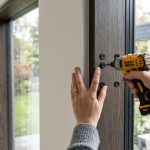
The main surface of the wall is typically made from plywood panels that are attached to a steel frame. The individual panels are drilled with a grid of threaded holes, generally 20cm apart. These holes are used to bolt individual climbing holds into place.
The Holds
Climbing holds are shaped pieces of resin or polyurethane, bolted into the pre-drilled holes in the climbing wall’s panels. Indoor climbing walls are fitted with hundreds of holds, each of different shapes and sizes, all chosen to create a particular movement for the climber.
How Routes Are Graded
Each route on the wall is graded so that climbers and boulderers can choose a route that suits their ability. There are many grading systems used in climbing, both indoors and outdoors but the most common used in UK indoor climbing walls is a colour rated system or number rated system. In the UK indoor climbing walls the colour rated system or number rated system starts at around a grade 3 and goes up to around a grade 8 where the lower grades are for beginner climbers and the higher grades are for more experienced climbers.
Setting and Changing Routes
The route is set by a route setter who will select a range of holds and put them on in the correct place to form the sequence of moves needed to complete the climb. The holds are taken down and put away and a new set of holds selected and put on for the next week’s climbing to keep the routes fresh and to increase/decrease the difficulty of the climb as required.
Safety Features
The floor below the wall is covered with deep impact-absorbing matting, and great care is taken to regularly check and maintain the condition of ropes, harnesses and auto-belay devices. Details of the guidelines for indoor climbing wall safety have been published by the HSE and provide details of the requirements for management and maintenance of indoor climbing walls.
Now you can go to an indoor wall with confidence.