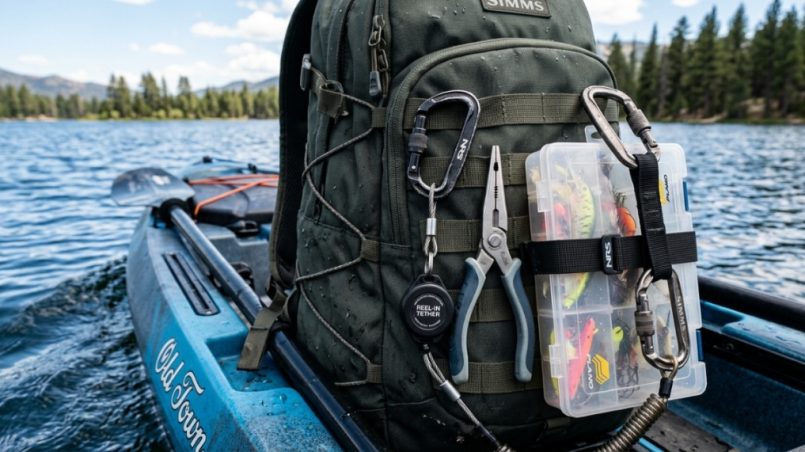
You just dropped your paddleboard in a cold mountain reservoir, turned your back for a second, and watched it drift toward the dam. That sinking feeling is all too familiar, and it happens more often than you’d think. Losing expensive gear in Colorado waters is not just frustrating; it can be dangerous. With fluctuating water levels, sudden winds, and rocky shorelines, the challenge is real. But here’s the truth: most gear loss is preventable with the right knowledge and equipment. This guide focuses on Colorado water gear safety and gives you actionable steps to keep your investments secure.
What Makes Colorado Waters Unique for Gear Loss?
Unpredictable Weather Patterns
Colorado is famous for its 90-degree afternoons that turn into sudden thunderstorms. These weather shifts create sudden gusts of wind that can push an unsecured paddleboard across a lake in minutes. Wind is the number one cause of gear drift in high-altitude bodies of water.
Rocky Shorelines and Submerged Hazards
Unlike sandy coastal beaches, Colorado’s mountain lakes and reservoirs are lined with jagged rocks. A loose leash can snag on an underwater boulder, causing your board to whip back violently. This not only risks losing gear but also personal injury.
Cold Water Temperatures
Many Colorado waters stay below 60°F even in summer. If you go in after a drifting board, cold shock can set in quickly, impairing your ability to swim and retrieve equipment. This makes prevention absolutely critical.
Which Gear Is Most Likely to Be Lost?
Paddleboards and Kayaks
Inflatable and hard paddleboards are the most common gear items lost in Colorado. Their large surface area catches wind easily. Kayaks, especially sit-on-top models, also drift fast if not tethered.
Paddles and Accessories
Paddles slip out of hands when you’re tired or when cold water numbs your fingers. Smaller items like phone dry bags, fishing rods, and coolers are also frequently lost when not secured to the craft.
Leashes and Tethers
Ironically, the very items designed to prevent loss are often lost first. A low-quality leash can break, or its attachment point can fail. Investing in reliable Colorado water gear safety products is a smart move.
How Can You Secure Your Board on the Water?
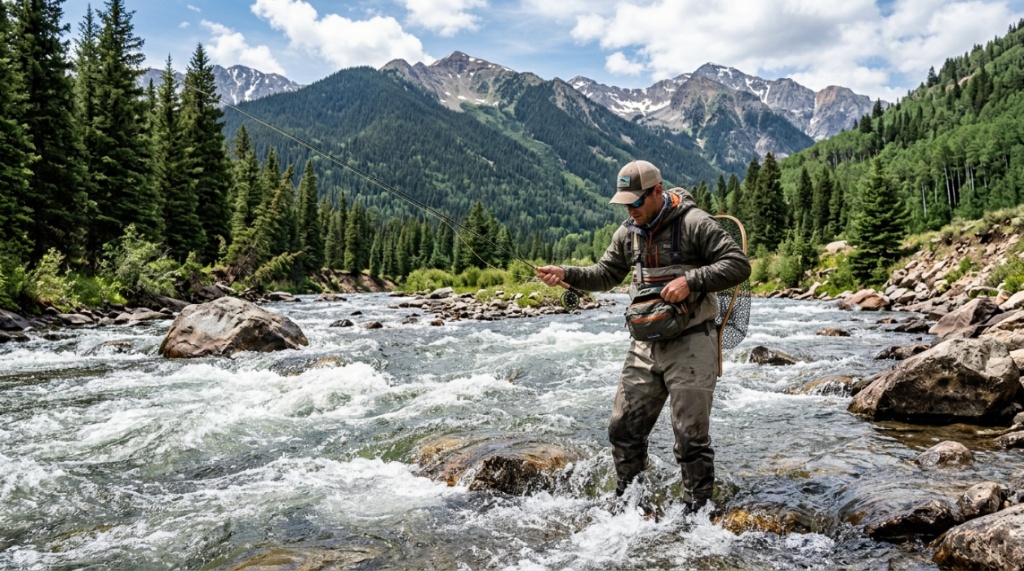
Always Use a Proper Leash
A leash is your first line of defense. For Colorado waters, a coiled leash is often better than a straight one because it reduces drag and snagging. Attach it to your ankle for paddleboarding or your calf for surfing.
Check Your Leash Attachment Point
The leash attaches to a small plug on your board. If this plug is loose or corroded, it will pull out under tension. Before each outing, test the plug by pulling on it firmly. Replace any that feel wobbly.
Use a Quick-Release Belt for Safety
In moving water like the Colorado River, a quick-release belt is essential. It prevents you from being tangled in your leash if you fall near a strainer or hydraulic feature. Always practice releasing it before you need to.
Why Does Leash Quality Matter in Mountain Lakes?
UV Resistance at High Altitude
Colorado receives 300+ days of sunshine annually. UV rays degrade cheap rubber leashes within months, causing them to crack and snap. Look for leashes made of UV-stabilized urethane or high-grade rubber.
Cord Thickness and Strength
Thin cords may save weight but they snap under pressure. A 7mm or 8mm leash cord is recommended for SUP boards. For kayaks, use a tow line rated for at least 500 lbs.
Swivel Ends Prevent Tangling
Leashes without swivels twist into knots during normal use, creating weak points. High-quality leashes have swivels on both ends. This simple feature dramatically extends the life of your leash and prevents loss.
| Leash Feature | Why It Matters in Colorado |
|---|---|
| UV-stabilized material | Resists cracking under intense mountain sun |
| Coiled design | Less drag and snagging on rocky bottoms |
| Double swivels | Prevents tangling and weak spots |
| Quick-release option | Critical for river safety and rescue |
When Should You Inspect Your Gear?
Before Every Outing
Make a habit of a quick pre-launch check. Inspect your leash cord for fraying, test the rail saver, and ensure your D-rings are not pulling away from the board. Thirty seconds of inspection can save hundreds of dollars.
After Every Trip to Rocky Water
Rocky launches abrade leash cords and scratch boards. Rinse your gear with fresh water after each use in a reservoir. Check for small cuts in the leash casing that may enlarge later.
At the Start of Each Season
Colorado’s winter is harsh on stored gear. Before your first spring paddle, uncoil your leash fully and flex the entire length. If you see any cracks or discoloration, replace the leash immediately.
To protect your hands and tackle from extreme environments, make sure you also check out our guide on the Right Fishing Gloves for Alaska’s Harsh Weather.
How Do Wind and Currents Affect Your Gear?
Understanding Fetch and Wind Speed
Fetch is the distance wind travels over water. Large reservoirs like Chatfield or Horsetooth have significant fetch, meaning waves build quickly. A board can travel 100 yards in less than a minute in a 20 mph gust.
Reading the Water Before Launch
Look for whitecaps, ripples oriented in one direction, or flags standing straight out. These are signs of building wind. If you see them, keep your board tethered to your wrist or ankle even onshore.
Using a Wind Anchor on Shore
Before you launch, many boards are lost while still on the beach. Use a simple stake anchor or a heavy bag of rocks tied to your leash handle to prevent runaway boards while you adjust your wetsuit.
Can Storage Practices Prevent Gear Loss?
Drying Gear Properly
Moisture trapped in a leash mechanism can freeze in winter or corrode metal components. After each use, dry your leash and board completely. Store them in a cool, dark place away from direct sunlight.
Using Rescue Hooks and Spare Lines
Carry a spare coiled line or a rescue hook in your PFD pocket. If your leash breaks, you can quickly lasso a drifting board or clip onto another paddler’s board. This is standard practice among experienced Colorado paddlers.
Labeling Your Gear
Engrave or write your name and phone number on your board and paddle. If your gear does drift away, another boater can return it. Many local Facebook groups exist specifically for lost and found gear in Colorado.
What Should You Do If You Lose Gear Anyway?
Stay Calm and Assess Safety
Your safety is more important than your gear. If the water is cold or the wind is strong, do not swim after a board. Instead, mark the location on your phone and return with a motorized boat if possible.
Check Downwind Shorelines
In Colorado reservoirs, wind typically drives gear toward the dam or the north shore. Walk or paddle that direction systematically. Most lost boards are found within an hour of drifting if the search is methodical.
Post in Local Paddling Groups
Use Facebook groups like Colorado Paddlers or local kayak clubs. Include a photo, location, and description. The community is very responsive, and many boards are returned this way.
How Do You Choose the Right Leash for Colorado?
Length and Width Considerations
For SUP boards, use a leash that is at least as long as your board. A 10-foot board needs a 10-foot leash. Coiled leashes are preferred for flat water because they stay off the bottom and out of your way.
Rail Saver vs. Direct Plug
A rail saver is a strap that wraps around the board’s rail, reducing stress on the leash plug. This is highly recommended for Colorado’s choppy conditions. Direct plug attachments are lighter but less durable in rough water.
Compatibility with Your PFD
Some leashes come with a waist belt that integrates with your life jacket. This keeps the leash high on your body, reducing drag and preventing tangling. It is a preferred setup for river paddling.
Is Colorado’s High Altitude Harder on Equipment?
Expansion and Contraction
Rapid temperature changes at altitude cause materials to expand and contract. Inflatable boards lose pressure overnight. Check your board’s pressure every morning. Under-inflated boards are harder to control and more likely to drift.
DIY vs. Professional Repair
Small leash tears can be repaired with neoprene glue at home. However, if the urethane core is exposed, replacement is safer. Do not risk a repaired leash failing at a critical moment.
Seasonal Maintenance Checklist
- Rinse all gear with fresh water after every trip
- Lubricate leash swivels with silicone spray
- Replace any leash showing UV cracks
- Check board inflation before every launch
- Inspect D-rings and attachment points monthly
Frequently Asked Questions
What is the best type of leash for Colorado lakes?
A coiled urethane leash with double swivels and a rail saver is the best choice. It resists UV damage, reduces snagging on rocks, and provides reliable attachment to your board.
How often should I replace my paddleboard leash?
Replace your leash every season if you paddle regularly in Colorado. If you see cracks, stiffness, or fraying, replace it immediately regardless of age.
Can I use an ocean leash in Colorado waters?
Yes, but ocean leashes are often overbuilt and may be too long. They work, but a freshwater-specific or coiled leash is more practical for mountain lakes and rivers.
What should I do if my leash breaks on the water?
If you have a spare line, use it to tether yourself to your board. If not, stay with your board and signal for help. Do not swim after drifting gear in cold water.
Is a quick-release leash necessary for flatwater paddling?
It is not mandatory for flatwater, but it is highly recommended if you paddle in reservoirs with dams or near boat traffic. It adds a layer of safety without additional weight.
How do I know if my board’s leash plug is secure?
Grip the plug firmly and pull with moderate force. If it moves or feels loose, it needs repair or replacement before your next outing. A failing plug is a common cause of gear loss.
Does water temperature affect leash performance?
Yes. Cold water stiffens rubber and plastic components, making them more brittle. Always warm your leash by flexing it before use on cold mornings.