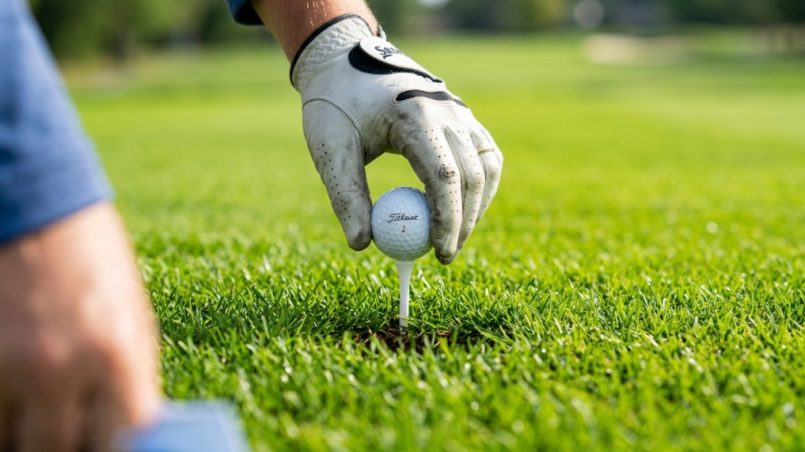
You’ve spent hours researching drivers, agonizing over putters, and perfecting your grip. But when it comes to the humble golf tee, you probably grab the first plastic bag you see in the pro shop. Here’s the problem: that casual choice is costing you strokes. A tee that’s too tall, too short, too brittle, or made from the wrong material can sabotage your launch angle, increase spin, and even send you to the chiropractor. This isn’t about looks—it’s about physics. Whether you’re a weekend warrior or a single-digit handicapper, using the wrong tee introduces unnecessary inconsistency. That’s why a solid golf tee buying guide is essential for anyone who wants to shoot lower scores without spending a dime on lessons.
What Is the Ideal Tee Height for a Driver?
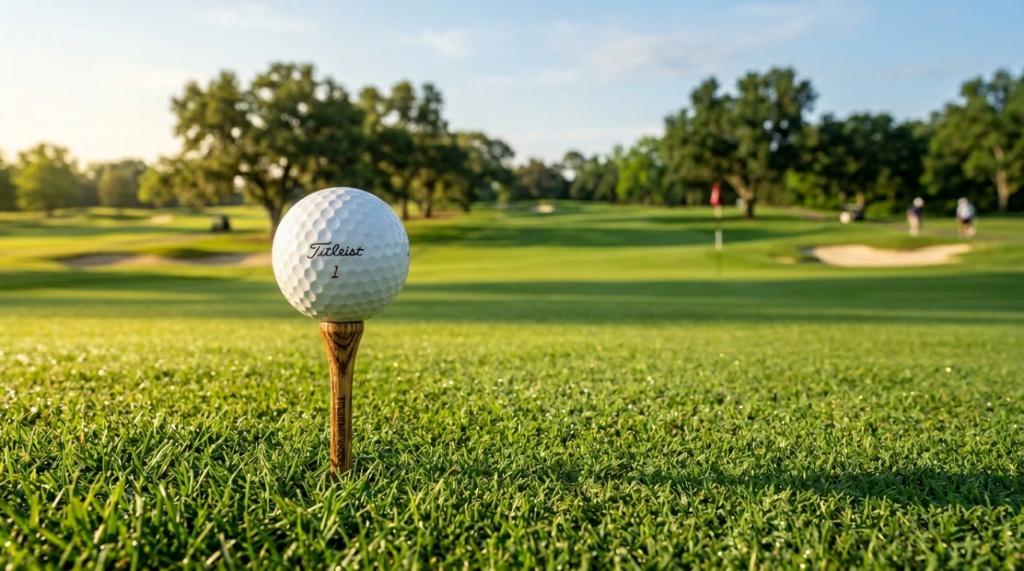
The ideal tee height for a driver places the ball so that half of it sits above the clubface’s top edge when you address it. For most modern 460 cc drivers, that means about 1.5 to 1.75 inches of tee above the ground. This height encourages an upward attack angle, reduces backspin, and maximizes carry distance.
Getting the height wrong is the number one mistake amateurs make. Tee the ball too low, and you hit down on it like an iron, producing a low, knuckling shot with excessive spin. Tee it too high, you risk popping the ball up or hitting it off the crown, which kills distance and leaves a sky mark on your driver. A simple test: when you stand in your setup, the ball’s equator should be roughly level with the top edge of the driver’s face. If you can see the whole ball above the face, it’s too high. If the face covers more than half the ball, it’s too low.
How to Measure Tee Height Without a Tool
Most players don’t carry a ruler. Use the “credit card trick”: a standard credit card is about 2.1 inches tall. Stick the tee in the ground until the platform is about 1.5 inches above the turf—just shy of the card’s height. For fairway woods and hybrids, lower the tee so that the ball sits flush with the ground or just slightly elevated (0.25–0.5 inches).
- Driver: 1.5–1.75 inches (half ball above face)
- Fairway wood: 0.5–1 inch (ball slightly off the ground)
- Hybrid/Iron: 0–0.25 inches (ball nearly on turf)
- Par-3 tee box: Match clubface height for your iron
Why Do Most Golfers Choose the Wrong Tee Material?
Most golfers choose a tee material based on price or what’s in the bag, but the correct material depends on your swing speed, the surface conditions, and how much eco-friendliness matters to you. Wood, plastic, bamboo, and biodegradable options all behave differently under impact.
If you swing the driver over 100 mph, standard wooden tees are a liability. They snap, splinter, and break unpredictably. Plastic tees, especially stepped designs, offer consistency and durability. However, hard plastic can damage sensitive insert faces on premium drivers. Bamboo is a strong middle ground—it’s tougher than pine but softer than hard plastic, making it gentler on clubfaces while still surviving a 110 mph swing. For slow swing speeds (under 85 mph), soft pine or poplar tees work fine and break less frequently.
| Material | Durability | Clubface Safety | Eco-Friendly | Best For |
|---|---|---|---|---|
| Wood (Pine) | Low | High | Yes | Slow swing speeds, short par-3s |
| Plastic (Nylon) | Very High | Low (can scratch) | No | Hard practice mats, high swing speed |
| Bamboo | Medium | High | Yes | Everyday play, medium to fast swings |
| Biodegradable (Cornstarch) | Low | High | Yes | Environmentally conscious golfers |
How Does Tee Length Affect Your Launch Angle?
Tee length directly controls launch angle by dictating where the clubface contacts the ball. A longer tee pushes the ball higher off the turf, encouraging a more upward blow, which increases launch angle and reduces spin. A shorter tee forces a neutral or downward hit, lowering trajectory.
The standard 2.75-inch tee is a one-size-fits-all compromise, and it works poorly for many players. If you have a steep swing plane, a longer tee (3.0 or 3.25 inches) can trick your swing into shallowing out because the higher ball position forces your body to tilt behind the ball. Conversely, if you tend to hit pop-ups, a standard-length tee might be too tall for your setup. Try this: buy a pack of 2.75-inch tees and a pack of 3.25-inch tees. Hit five balls each from the same tee box. Compare the peak height of your ball flight. The difference can be 10–15 feet in apex, which translates to 5–10 yards of carry.
While a premium tee is perfect for weekend outings, certain environments demand a different level of respect. For instance, just as wearing a collared polo is expected at the country club, using Golf Divot Tools Help Maintain Proper Course Etiquette is essential for respecting the green. Dress well, know the rules, and you’ll always make the right impression.
The “Lawn Dart” Problem
Never use a tee that is too long for the turf conditions. On hard, dry ground, a 3.25-inch tee leaves too much stem exposed. The wind or your club’s momentum can knock the ball off before you swing. In soft, wet turf, a 2.75-inch tee sinks too deep, effectively turning into a 1.5-inch tee. In soft conditions, switch to a longer tee to compensate for how much it sinks into the ground.
Which Tee Is Best for a High Swing Speed Player?
For high swing speed players (100+ mph), the best tee is a thick, durable nylon or composite plastic tee with a stepped shaft. Avoid thin wooden tees—they will break on impact, and the broken pieces can deflect the ball offline. A 3.0 or 3.25-inch stepped plastic tee provides both durability and consistent height control.
High speed players break standard wooden tees at an alarming rate—sometimes multiple times per hole. This isn’t just annoying; it adds friction to the game and costs you money over a season. Stepped plastic tees are designed to withstand the shear force of a powerful swing. Brands like Pride Golf’s “ProLength” or Zero Friction’s 3D tees are built with reinforced stems that flex but don’t snap. One tee can last 10 to 15 driver swings, paying for itself over a few rounds.
A secondary consideration: the tee’s head design. A flat, cup-shaped head holds the ball more securely than a simple concave one. This prevents the ball from toppling off when you waggle the club behind it, which is a common issue for players with pre-shot routines that involve grounding the club.
Can Tee Color or Design Affect Your Performance?
Yes, tee color and design can affect performance, but not physically—psychologically. Bright colors like neon yellow, orange, or green improve visual focus and alignment for many golfers, especially those with poor depth perception on the tee box. Design elements like alignment lines on the tee head can help you aim.
The performance benefit is entirely subjective and mental. If you struggle with pulling or pushing drives, a brightly colored tee can act as a visual anchor. When you place the tee, line it up with your target line. Then, when you address the ball, your peripheral vision registers that line, subtly encouraging a square stance. Some tees even have a flat “alignment arrow” stamped into the head. This works because your brain processes vertical and horizontal cues faster than subtle turf differences. It’s not a substitute for a swing lesson, but it’s a cheap, low-effort hack that works for many players.
Why Should You Avoid Cheap Bulk Tees?
You should avoid cheap bulk tees because they are manufactured from low-grade pine that splits unpredictably, has inconsistent lengths, and often comes with splinters that can scratch your clubface or cut your fingers. Saving $2 on a bag of 500 tees can cost you hundreds in club repair or lost shots.
Look closely at a bag of ultra-cheap bulk tees. You’ll notice that the widths vary. Some are thin and brittle; others are chunky and heavy. The color dye often bleeds off onto your hands. The platforms are often rough because they’re stamped, not machined. When you insert one into hard ground, it might snap before the ball is even set. This unpredictability is the enemy of a consistent pre-shot routine. You don’t want to wonder if the tee will break before the ball is out of the air. Spend a few extra dollars per season on quality tees from a known golf brand. Your driver face—and your scorecard—will thank you.
How to Choose the Right Tee for Different Turf Conditions
To choose the right tee for different turf conditions, match the tee length and material to the soil hardness. On soft, wet turf, use a longer tee (3.25 inches) and a thicker stem to prevent sinking. On hard, dry ground, use a standard or short tee (2.75 inches) with a sharp point for easy insertion.
Many players use the same tee all year round, which is a mistake. Seasonal turf changes are dramatic. In spring, after rain, the earth is soft. A standard 2.75-inch tee will sink an inch, leaving the ball too low and forcing a downward strike. In summer, when the ground is baked hard, that same tee won’t sink at all, leaving the ball too high if you’re using a driver. Keep two tee lengths in your bag: a longer set for soft conditions and a shorter set for firm ground. If you play on bent grass, which is spongy, always go one size longer than you think you need.
Tee Insertion Trick for Hard Ground
If the ground is rock hard, dampen the tip of your tee or use a tee with a sharpened tip. Alternatively, use a tee with a wide, flat head that you can push in with your palm without snapping the stem. Never hammer a tee into hard ground—micro-fractures will form, and it will snap on your next swing.
Is a Zero Friction Tee Worth the Hype?
Yes, a Zero Friction tee is worth the hype for specific players, particularly those who want to reduce sidespin and avoid broken tees. The three-pronged design minimizes contact between the tee and the ball, theoretically reducing drag and friction at impact.
The science behind Zero Friction and similar “friction-reducing” tees is sound: less contact surface means less interference with the ball’s initial flight. In practice, the difference is marginal for most golfers (maybe 1–3 yards). However, the real benefit is durability and consistency. These tees are made from reinforced nylon that survives dozens of swings. They also prevent the ball from spinning off the tee during your swing, which can happen with cupped tees on windy days. The downside? They are expensive, often $8–$12 for a pack of ten. If you lose tees frequently, stick with cheaper options. But if you want maximum engineering and hate fishing for broken plastic in the tee box, they’re a solid investment.
When Should You Use a Brushed or Fiberglass Tee?
You should use a brushed or fiberglass tee when playing on hard, compacted turf or artificial mats. The abrasive texture reduces slippage, allowing the tee to hold its position without wobbling. Fiberglass tees are also nearly indestructible for indoor simulators and practice ranges.
Brushed tees have a textured shaft that grips the ground like an anchor. This is invaluable on practice tees where the mat’s rubber has worn smooth, allowing plastic tees to pop out. Fiberglass tees are extremely rigid—they won’t flex or break, but they can scratch a driver face. Use them with older clubs or for practicing with irons. A note of caution: never use a damaged fiberglass tee. If it cracks, the sharp glass fibers can be dangerous to handle and can mar your clubface.
How Many Tees Should You Carry in Your Bag?
Carry at least 10 to 15 tees in your bag, spread across different lengths and materials. Divide them into two pockets: five long tees for driver/wood and five short tees for irons/hybrids. Keep a few biodegradable tees for courses with eco-restrictions.
Many players carry 50+ tees “just in case,” but this is unnecessary weight and clutter. You realistically hit max 14 drives in a round. Even if you lose or break every other one, 15 is sufficient. Over-stuffing your bag creates friction—tees get jammed in pockets, bend, and become unusable. A curated selection of quality tees that you know work for your swing is far better than a jumble of mixed trash. Restock after every round so you never start a round with only two tees.
Frequently Asked Questions
Are wooden tees better than plastic tees?
Neither is universally better. Wooden tees are eco-friendly, cheaper, and gentle on clubfaces but break easily. Plastic tees are durable and consistent but can scratch soft driver faces and are not biodegradable. Choose based on your swing speed and environmental priorities.
What size tee should I use for a 3-wood?
For a 3-wood, use a 1.5 to 2-inch tee. The ball should be teed just high enough so that the entire ball is visible above the turf, but low enough that the club’s leading edge can strike the equator or slightly below it. Aim for about 0.5 inches of tee above the ground.
Can I reuse a plastic tee that bent slightly?
No. Once a plastic tee bends, it has developed stress fractures. It will likely snap on the next swing, potentially damaging your club or sending the ball offline. Discard bent plastic tees immediately and replace them with a fresh one.
Do colored tees help with alignment?
Yes, for many golfers. Brightly colored tees serve as a visual focal point that can help with stance alignment and target focus. use a tee color that contrasts with the turf to improve depth perception, especially on overcast days.
How long does a biodegradable tee last?
Biodegradable tees typically last one to three swings on grass before breaking. They are designed for single or very limited use. They are best for eco-conscious golfers who play on soft turf and don’t mind replacing the tee each hole.
Conclusion
Buying the right golf tee isn’t about brand loyalty or aesthetics—it’s about understanding your swing mechanics and the environment you play in. Match the height to your driver’s face, the material to your swing speed, and the length to the turf conditions. That’s the complete formula. Stop treating tees as an afterthought. Invest in a small, curated selection of quality tees that fit your specific game. Your launch angle, spin rate, and consistency will all improve without a single lesson. Next time you’re at the pro shop, skip the bulk bag of mixed splinters. Grab a pack of stepped nylon tees for the driver and some bamboo tees for your irons. Your scorecard will reflect the change on the very first hole.